
Understanding When You Need Specialist Care for Musculoskeletal Issues
If you’re dealing with joint pain, a sports injury, or chronic back problems, you might be wondering: should I see my primary care doctor, or do I need an orthopedic surgeon? This is one of the most common healthcare questions people face, and making the right choice can significantly impact your recovery timeline and treatment outcomes.
The good news is that understanding when to see an orthopedic surgeon doesn’t have to be complicated. This guide will walk you through the key differences between primary care and orthopedic care, help you recognize the signs you need an orthopedic doctor, and explain how to navigate the referral process.
What Your Primary Care Doctor Can Treat
Your primary care physician (PCP) is your first line of defense for most health concerns, including many musculoskeletal issues. Primary care doctors receive training in diagnosing and treating common muscle, bone, and joint problems.
Conditions primary care doctors commonly handle:
- Mild sprains and strains
- Minor sports injuries without suspected fractures
- Acute back pain (short-term episodes)
- General joint stiffness or soreness
- Minor tendonitis
- Simple muscle pulls
- Arthritis management in early or mild cases
- Osteoporosis screening and basic treatment
Primary care doctors can order X-rays, prescribe anti-inflammatory medications, recommend physical therapy, and provide guidance on rest and recovery. For many common aches, pains, and minor injuries, your PCP can provide everything you need to heal properly.
If you live in the Chicago area and need to establish care with a primary care physician, you can find qualified primary care doctors in Chicago through our directory.
What Orthopedic Surgeons Specialize In
Orthopedic surgeons are medical doctors who complete four years of orthopedic residency training after medical school, focusing exclusively on the musculoskeletal system—your bones, joints, ligaments, tendons, muscles, and nerves.
While the title includes “surgeon,” orthopedic doctors don’t just perform surgery. In fact, many orthopedic treatments are non-surgical. These specialists offer:
- Advanced diagnostic capabilities for complex injuries
- Specialized imaging interpretation (MRI, CT scans)
- Targeted injection therapies (cortisone, hyaluronic acid, PRP)
- Complex fracture management and casting
- Sports medicine expertise
- Joint replacement surgery when necessary
- Arthroscopic (minimally invasive) procedures
- Reconstructive surgery for ligament tears
- Spine surgery and specialized back care
Many orthopedic surgeons further subspecialize in areas like hand surgery, foot and ankle care, sports medicine, spine surgery, or joint replacement, providing even deeper expertise in specific conditions.
Clear Signs You Need to See an Orthopedic Surgeon
Wondering “do I need an orthopedic surgeon?” Here are the key indicators that it’s time to seek specialist care:
1. Persistent or Chronic Pain
If you’ve had joint, bone, or muscle pain lasting more than 12 weeks despite rest, over-the-counter medications, or primary care treatment, an orthopedic evaluation is warranted. Chronic pain often indicates an underlying structural problem that requires specialized diagnosis and treatment.
2. Limited Range of Motion or Instability
Difficulty performing everyday activities—like climbing stairs, reaching overhead, or gripping objects—signals that something beyond minor inflammation may be at play. Joint instability (feeling like a joint might “give out”) is particularly concerning and warrants specialist evaluation.
3. Severe Injury or Trauma
Significant injuries from falls, car accidents, or sports impact should be evaluated by an orthopedic surgeon, especially if you suspect a fracture, dislocation, or torn ligament. These injuries often require specialized imaging and treatment planning.
4. Progressive Symptoms
If your pain, stiffness, or weakness is getting worse over time rather than improving, this progression suggests a condition that needs specialist intervention. Don’t wait until symptoms become debilitating.
5. Numbness or Tingling
Nerve-related symptoms like numbness, tingling, or radiating pain down your arms or legs can indicate nerve compression from herniated discs, spinal stenosis, or other conditions requiring orthopedic or neurosurgical expertise.
6. Visible Deformity
Any obvious deformity, swelling that doesn’t resolve within a few days, or joints that appear out of alignment require immediate orthopedic evaluation.
7. Difficulty Bearing Weight
Inability to put weight on a limb or joint after an injury is a red flag for fractures, severe sprains, or ligament tears.
Common Conditions That Require Orthopedic Care
Certain diagnoses almost always require an orthopedic specialist’s expertise:
Ligament Injuries:
- ACL, PCL, MCL tears (knee ligaments)
- Rotator cuff tears
- Achilles tendon ruptures
- Ankle ligament tears
Fractures and Breaks:
- Complex or displaced fractures
- Stress fractures in athletes
- Fractures near joints
- Breaks requiring surgical repair
Advanced Arthritis:
- Severe osteoarthritis affecting quality of life
- Rheumatoid arthritis with joint damage
- Post-traumatic arthritis
- Conditions requiring joint replacement consideration
Spine Conditions:
- Herniated or bulging discs with nerve compression
- Spinal stenosis
- Scoliosis requiring treatment
- Degenerative disc disease
Sports Injuries:
- Meniscus tears
- Labral tears (shoulder or hip)
- Cartilage damage
- Recurrent dislocations
When Primary Care Is Sufficient
Not every musculoskeletal complaint requires a specialist. Your primary care doctor can effectively manage:
- Recent injuries (within the last few days) without severe symptoms
- Mild to moderate pain that’s improving with rest and basic treatment
- General muscle soreness from overuse or new exercise
- Minor arthritis managed with medication and lifestyle changes
- Preventive care like bone density screening
- Initial evaluation of any new symptom before deciding if specialist referral is needed
Your PCP can also coordinate your overall care, ensuring that musculoskeletal treatments align with your other health conditions and medications.
How the Referral Process Works
Understanding the pathway from primary care to orthopedic specialist can help you navigate the system more effectively:
Step 1: Primary Care Evaluation
Most patients start with their PCP, who will examine you, order initial imaging if needed, and try first-line treatments.
Step 2: Referral Decision
If your condition doesn’t improve with conservative treatment, appears complex, or clearly requires specialist expertise, your primary care doctor will provide a referral to an orthopedic surgeon.
Step 3: Insurance Considerations
Many insurance plans require a PCP referral before covering specialist visits. Check your plan’s requirements to avoid unexpected costs.
Step 4: Direct Access
Some situations warrant going directly to an orthopedic surgeon, especially for acute injuries or if you have a PPO plan that doesn’t require referrals. You can also self-refer if you’re paying out of pocket.
Questions to Ask Your Primary Care Doctor
If you’re unsure whether you need an orthopedic specialist, ask your PCP these questions:
- “Do you think my condition requires a specialist, or can we manage it here?”
- “What are the warning signs that would mean I should see an orthopedic surgeon?”
- “How long should we try conservative treatment before considering a referral?”
- “Is there additional imaging (MRI, CT scan) that would help clarify if I need a specialist?”
- “Do you have orthopedic surgeons you recommend for my specific condition?”
- “What happens if my symptoms don’t improve with the current treatment plan?”
Your PCP should be a partner in determining the right level of care. Don’t hesitate to advocate for a specialist referral if your symptoms aren’t improving or you feel you need more specialized expertise.
What to Expect at Your First Orthopedic Appointment
If you do get referred to an orthopedic surgeon, knowing what to expect can ease any anxiety:
Before Your Appointment:
- Gather all relevant medical records and imaging from your PCP
- List all medications and supplements you take
- Write down your symptoms, when they started, and what makes them better or worse
- Prepare questions about treatment options
During Your Appointment:
- Expect a detailed history of your condition and overall health
- Physical examination focusing on the affected area
- Review of any previous imaging
- Possible ordering of additional tests (MRI, specialized X-rays, CT scans)
- Discussion of diagnosis and treatment options
Treatment Discussion:
Remember, most orthopedic surgeons try conservative treatments first. Surgery is typically recommended only when non-surgical options have been exhausted or when the condition clearly requires surgical intervention (like certain fractures or complete ligament tears).
Age-Specific Considerations
The decision between primary care and orthopedic care can also depend on your age and life stage:
Children and Adolescents
Young patients with sports injuries, growth plate concerns, or developmental conditions like scoliosis often benefit from pediatric orthopedic specialists. These experts understand growing bones and can prevent long-term complications.
Common youth issues requiring orthopedic care:
- Growth plate fractures
- ACL tears in young athletes
- Scoliosis requiring bracing or surgery
- Developmental hip dysplasia
- Osgood-Schlatter disease
Young and Middle-Aged Adults
This age group typically sees orthopedic surgeons for:
- Sports and recreational injuries
- Work-related repetitive stress injuries
- Post-traumatic injuries from accidents
- Early-onset arthritis
Active individuals should seek orthopedic care earlier rather than later to prevent minor issues from becoming chronic problems that limit activity long-term.
Older Adults
Seniors frequently need orthopedic care for:
- Osteoarthritis requiring joint replacement
- Osteoporosis-related fractures
- Degenerative spine conditions
- Rotator cuff tears
- Balance issues related to joint problems
For older adults, orthopedic intervention can be life-changing, restoring mobility and independence. Don’t assume pain and limited mobility are just “part of aging”—many conditions are highly treatable.
Finding the Right Orthopedic Specialist Near Me
When you determine you need orthopedic care, finding the right specialist is crucial. Consider:
- Subspecialty match: Look for surgeons who specialize in your specific condition (knee specialist for knee problems, spine surgeon for back issues, etc.)
- Experience: Ask about how many procedures like yours the surgeon performs annually
- Hospital affiliations: Ensure they have privileges at reputable facilities
- Communication style: Choose a doctor who listens, explains options clearly, and respects your treatment preferences
- Insurance acceptance: Verify they’re in your network to avoid surprise bills
If you’re in the Phoenix, Arizona area and need orthopedic care, you can find qualified orthopedic surgeons in Phoenix, AZ through our directory. Our listings provide detailed information about each surgeon’s specialties, locations, and patient reviews to help you make an informed decision.
The Bottom Line: Listen to Your Body
The decision of when to see an orthopedic surgeon versus your primary care doctor ultimately comes down to the severity, duration, and complexity of your symptoms. Your primary care physician is an excellent starting point for most musculoskeletal concerns and can guide you toward specialist care when needed.
However, don’t hesitate to seek orthopedic evaluation if:
- Pain persists beyond 6-12 weeks despite treatment
- Symptoms are severe or progressively worsening
- You’ve suffered a significant injury
- Your quality of life is being significantly impacted
- You have instability, numbness, or visible deformity
Early intervention by the right specialist can prevent minor problems from becoming major ones and get you back to the activities you love faster.
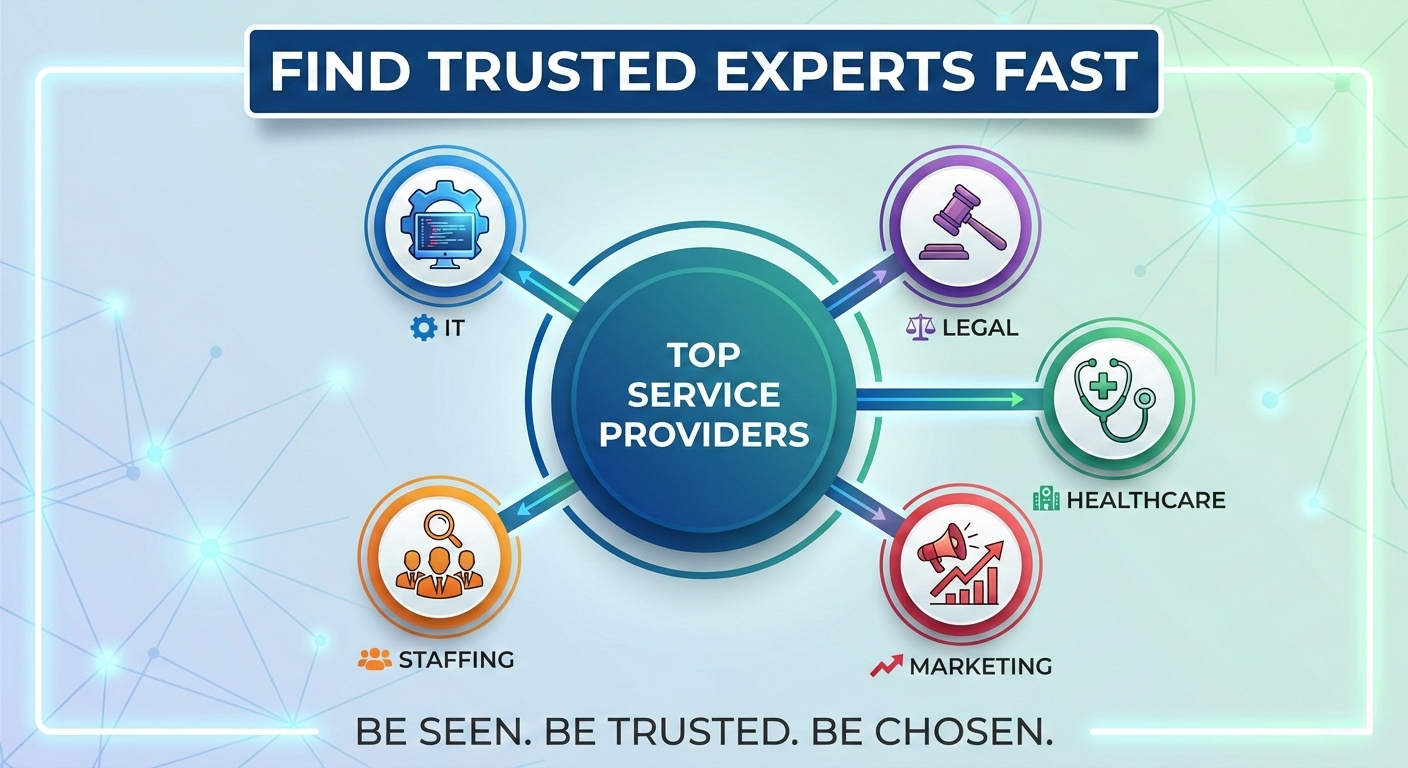
For Medical Professionals: List Your Practice on Top Service Providers
Are you an orthopedic surgeon, primary care physician, or other medical professional looking to connect with patients actively searching for care? Top Service Providers helps patients find qualified specialists in their area.
Our directory platform makes it easy for patients to discover your practice, read about your specialties, and choose the right provider for their needs. Whether you’re building your practice or expanding into new markets, listing on Top Service Providers puts you in front of motivated patients when they’re making care decisions.
Join the growing network of healthcare providers who trust Top Service Providers to connect them with their ideal patients.