
Finding a dentist you trust is one of the most important healthcare decisions you’ll make. Whether you’ve recently moved to a new area, your previous dentist has retired, or you’re simply looking for better care, choosing the right dental provider requires careful consideration. This comprehensive guide will walk you through everything you need to know to find a dentist near you who meets your needs and exceeds your expectations.
Why Your Choice of Dentist Matters
Your oral health is directly connected to your overall wellbeing. Regular dental care prevents serious health issues, from gum disease to heart problems. Beyond health considerations, the right dentist-patient relationship makes a significant difference in your comfort level and willingness to maintain regular checkups.
A good dentist doesn’t just clean your teeth—they become a long-term partner in your health journey. When you find the right fit, you’re more likely to keep appointments, address problems early, and maintain better oral hygiene habits.
Start With Your Specific Needs
Before you begin your search, take time to identify what matters most to you in a dental provider.
Consider Your Dental Health Status
Are you looking for routine preventive care, or do you need specialized treatment? If you have specific conditions like TMJ disorder, require cosmetic dentistry, or need pediatric care for your children, you’ll want to prioritize dentists with relevant expertise.
Insurance and Budget Requirements
Dental care costs vary significantly. Determine whether you need a provider who accepts your insurance plan, or if you’ll be paying out of pocket. Many dentists offer payment plans for larger procedures, but it’s important to clarify financial arrangements upfront.
Location and Accessibility
Proximity matters more than you might think. A dentist located near your home or workplace makes it easier to attend regular appointments and handle emergencies. Consider parking availability, public transportation access, and office hours that fit your schedule.
Research and Gather Recommendations
Once you’ve identified your priorities, begin gathering potential candidates.
Ask for Personal Referrals
Word-of-mouth recommendations from friends, family, neighbors, and coworkers often provide the most trustworthy insights. People who’ve had positive experiences are usually happy to share their dentist’s name, and they can give you honest feedback about their care quality and office environment.
Consult Online Directories
Professional directories provide comprehensive listings of dentists in your area, complete with credentials, specialties, accepted insurance plans, and patient reviews. These platforms make it easy to compare multiple providers and narrow down your options based on specific criteria.
Check Professional Credentials
Verify that any dentist you’re considering is properly licensed in your state. You can typically check licensing status through your state dental board’s website. Look for dentists who maintain membership in professional organizations like the American Dental Association (ADA), which requires ongoing education and adherence to ethical standards.
Evaluate Education and Experience
A dentist’s educational background and professional experience provide important clues about their competence and areas of expertise.
Educational Credentials
All practicing dentists must complete dental school and earn either a Doctor of Dental Surgery (DDS) or Doctor of Dental Medicine (DMD) degree. These degrees are equivalent—the different names simply reflect varying university naming conventions. If you need specialized care, look for additional certifications in areas like orthodontics, periodontics, or oral surgery.
Years in Practice
While newer dentists bring fresh training in the latest techniques, experienced practitioners have handled a wider variety of cases. Consider what balance feels right for you. Some patients prefer established dentists with decades of experience, while others appreciate younger practitioners who may be more familiar with cutting-edge technology.
Continuing Education
Dentistry evolves constantly with new techniques, materials, and technologies. The best dentists commit to ongoing education beyond basic licensing requirements. Ask whether your potential dentist regularly attends conferences, completes advanced training courses, or stays current with industry developments.
Assess the Office Environment and Technology
The dental office itself tells you a lot about the quality of care you’ll receive.
Cleanliness and Organization
During your initial visit or consultation, observe the office carefully. It should be clean, well-organized, and follow visible sterilization protocols. Modern dental offices maintain strict infection control standards—equipment should be properly sanitized, and staff should follow appropriate hygiene practices.
Modern Equipment and Technology
While fancy equipment doesn’t guarantee good care, dentists who invest in modern technology often provide more comfortable, efficient, and accurate treatment. Digital X-rays reduce radiation exposure, intraoral cameras help you understand your dental health, and laser dentistry can minimize discomfort for certain procedures.
Emergency Care Availability
Dental emergencies happen. Ask about the practice’s policy for handling urgent situations outside regular business hours. Does the dentist provide an emergency contact number? Do they have weekend or evening availability? Understanding these details before an emergency arises can save significant stress.
Questions to Ask During Your Consultation
Most dentists offer initial consultations, giving you an opportunity to meet the provider and evaluate whether they’re the right fit. Come prepared with these key questions:
About Their Practice Philosophy
– What is your approach to preventive care?
– How do you help patients who experience dental anxiety?
– How do you handle pain management during procedures?
– What’s your philosophy on cosmetic versus necessary procedures?
About Practical Matters
– Which insurance plans do you accept?
– What payment options are available for out-of-pocket costs?
– How far in advance do I need to schedule routine appointments?
– What is your cancellation policy?
– How do you handle dental emergencies?
About Communication and Care
– How do you explain treatment options to patients?
– Will I see the same dentist for each visit, or do multiple dentists work in this practice?
– How do you involve patients in treatment decisions?
– Can I contact the office with questions between appointments?
Read and Interpret Patient Reviews
Online reviews provide valuable insights, but it’s important to read them critically.
Look for Patterns, Not Individual Complaints
Every practice will have occasional negative reviews. Focus on recurring themes rather than isolated incidents. If multiple patients mention long wait times, billing issues, or rushed appointments, take those patterns seriously.
Pay Attention to Recent Reviews
A dentist’s practice can change significantly over time due to staff changes, office relocations, or shifts in practice management. Prioritize recent reviews (within the past year) over older feedback.
Consider the Overall Rating
While no dentist will have perfect five-star ratings across the board, consistent ratings of 4+ stars suggest general patient satisfaction. Be wary of practices with predominantly low ratings or very few reviews overall.
Schedule a Consultation or Initial Visit
Nothing replaces firsthand experience. Schedule an initial consultation or routine cleaning to evaluate your comfort level with the dentist and their team.
Observe Staff Interactions
Front desk staff, dental hygienists, and assistants contribute significantly to your overall experience. Are they friendly, professional, and attentive? Do they treat you with respect and make you feel welcome? A positive, well-trained team often reflects good practice management.
Evaluate Communication Style
Pay attention to how the dentist communicates. Do they explain procedures clearly in terms you can understand? Do they listen to your concerns and answer your questions thoroughly? Do you feel rushed, or does the dentist take time to ensure you’re comfortable and informed?
Trust Your Instincts
Sometimes the decision comes down to gut feeling. If something feels off—whether it’s pushy sales tactics for unnecessary procedures, dismissive attitudes toward your concerns, or simply a personality mismatch—it’s okay to keep looking. You deserve a dentist who makes you feel comfortable and confident in your care.
Special Considerations for Different Life Stages
Finding a Pediatric Dentist
If you’re choosing a dentist for your children, look for providers who specialize in pediatric dentistry or have significant experience with young patients. The office should have a child-friendly environment, and the dentist should demonstrate patience and skill in making children feel comfortable.
Senior Dental Care
Older adults often have unique dental needs related to medications, medical conditions, or previous dental work. Look for dentists who are experienced in geriatric care and can coordinate with other healthcare providers when necessary.
Dental Anxiety and Special Needs
If you experience significant dental anxiety or have special needs requiring accommodations, seek out dentists who explicitly advertise these capabilities. Many practices offer sedation dentistry options or have experience working with patients who require extra care and patience.
Understanding Different Types of Dental Providers
General Dentists
General dentists handle routine preventive care, cleanings, fillings, crowns, and many common procedures. They can address most dental needs for patients of all ages.
Specialists
For specific issues, you may need a specialist:
– Orthodontists straighten teeth and correct bite issues with braces or aligners
– Periodontists treat gum disease and perform gum-related procedures
– Endodontists specialize in root canals and treating dental pulp issues
– Oral Surgeons perform extractions, jaw surgery, and other surgical procedures
– Prosthodontists focus on replacing missing teeth with dentures, bridges, or implants
Many general dentists can refer you to appropriate specialists when needed, so establishing a relationship with a good general dentist provides a foundation for all your dental care.
Red Flags to Avoid
Certain warning signs should make you think twice about a dental provider:
– Pushing expensive procedures without clearly explaining why they’re necessary
– Unwillingness to provide cost estimates upfront
– Poor online reviews citing billing issues or unnecessary treatments
– Lack of clear licensing or credentials
– Unsanitary conditions or outdated equipment
– Dismissive attitude toward your questions or concerns
– No clear policy for handling emergencies or complications
Trust your judgment. If something feels wrong, continue your search until you find a provider who meets your standards.
Making Your Final Decision
After gathering information, narrowing down your options, and possibly meeting with a few dentists, you’re ready to make your choice. Consider creating a simple comparison chart with your top priorities—location, insurance acceptance, office hours, technology, and your personal comfort level with each provider.
Remember that your choice isn’t permanent. If your needs change or you’re not satisfied with your care after a few visits, it’s perfectly acceptable to find a different dentist. Your oral health is too important to settle for less than you deserve.
Start Your Search Today
Finding the right dentist near you doesn’t have to be overwhelming. By following this systematic approach—identifying your needs, researching candidates, verifying credentials, reading reviews, and scheduling consultations—you can make an informed decision that sets you up for years of positive dental experiences.
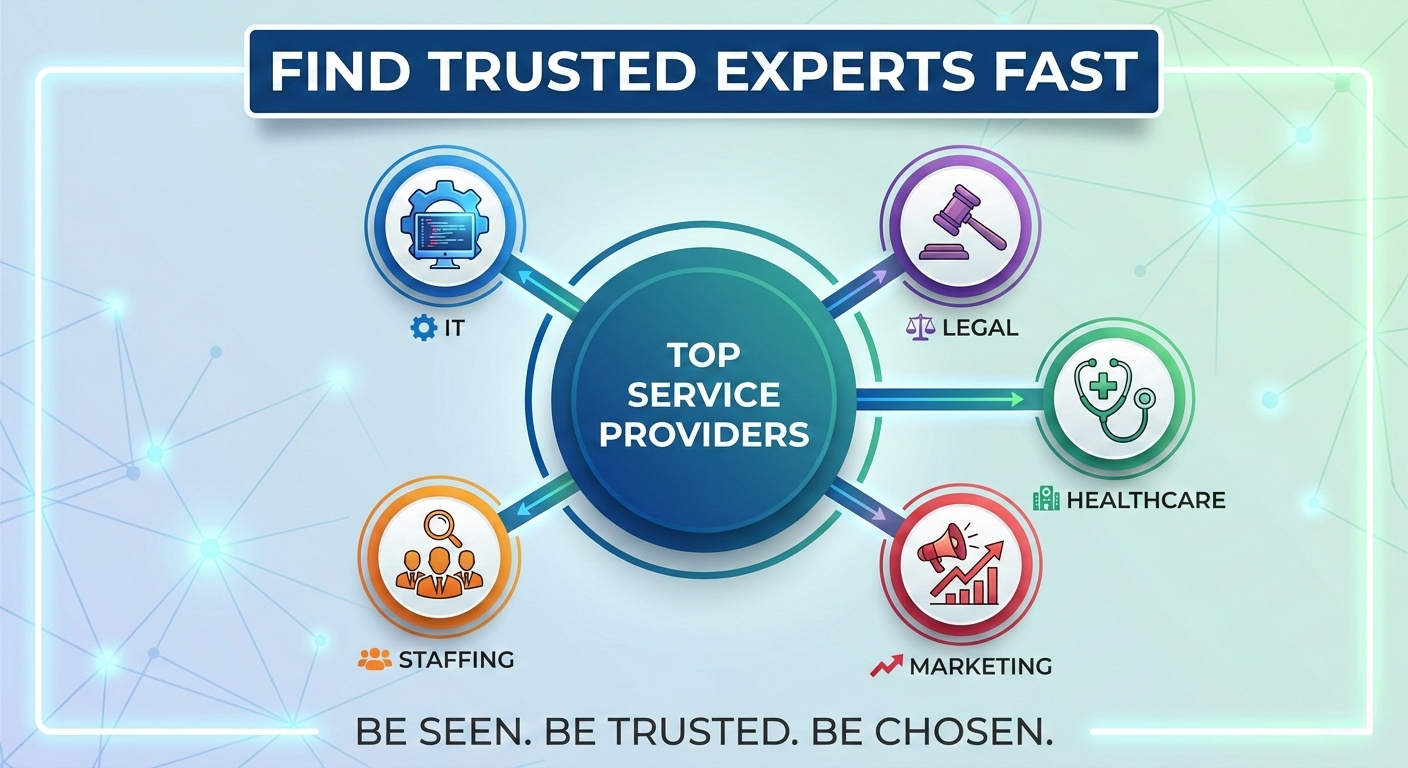
Top Service Providers makes this process easier by connecting you with verified dental professionals in your local area. Our comprehensive directory includes detailed profiles, patient reviews, and essential information about each provider’s credentials, specialties, and practice details. Whether you’re looking for a family dentist, cosmetic specialist, or emergency dental care, you can compare options and find the right match for your specific needs.
Don’t put off this important decision. Your oral health affects your overall wellbeing, confidence, and quality of life. Start your search for the perfect dentist today, and take the first step toward a healthier, brighter smile.