
How to Find a Doctor Near You: 7 Factors Beyond Google Reviews
Finding a new doctor shouldn’t feel like a gamble, yet many people end up choosing a healthcare provider based almost entirely on star ratings and a handful of online reviews. Whether you’ve recently moved to a new city, switched insurance plans, need a specialist, or simply want better care than you’re currently receiving, selecting the right physician is one of the most important decisions you’ll make for your health and well-being.
The truth is, a five-star Google rating doesn’t tell you whether a doctor accepts your insurance, has hospital privileges at your preferred facility, or even specializes in treating your specific condition. While reviews can offer valuable insights, they’re just one piece of a much larger puzzle.
In this guide, we’ll walk you through seven critical factors to consider when searching for a doctor near you—helping you make an informed choice that goes far beyond what a simple star rating can reveal.
1. Insurance Acceptance and Coverage Details
Before you fall in love with a doctor’s credentials or office location, confirm they accept your insurance plan. This seemingly obvious step is often overlooked until patients receive an unexpected bill.
Here’s what to verify:
- In-network status: Call both the doctor’s office and your insurance company to confirm the physician is currently in-network. Provider networks change frequently, and outdated online directories can list physicians who’ve recently left a plan.
- Specific plan acceptance: Some doctors accept certain plans from an insurance company but not others. If you have Blue Cross Blue Shield, for example, specify which exact plan (PPO, HMO, etc.).
- New patient acceptance: Some in-network doctors have closed their practices to new patients or have long waitlists.
- Coverage limitations: Understand your copay, deductible, and whether you need referrals for specialists under your plan.
Even if you’re willing to pay out-of-pocket for exceptional care, knowing the cost upfront helps you make an informed financial decision rather than facing surprise bills months later.
2. Hospital Affiliations
Your doctor’s hospital affiliations matter more than you might think. These relationships determine where you’ll be admitted if you need inpatient care, surgery, or emergency treatment related to your condition.
Consider these factors:
- Hospital proximity: If your doctor has privileges at a hospital 45 minutes away, that’s where you’ll likely go for procedures or admissions—not the hospital around the corner.
- Hospital quality ratings: Research the hospital’s reputation for treating your specific condition. A doctor affiliated with a top-rated cardiac center, for instance, may be valuable if you have heart disease.
- Continuity of care: When your doctor has admitting privileges, they can visit you in the hospital and coordinate your care directly rather than handing you off to an unfamiliar hospitalist.
- Insurance compatibility: Ensure the affiliated hospitals are also in your insurance network to avoid out-of-network charges.
This becomes especially important if you have a chronic condition or anticipate needing specialized procedures in the future.
3. Board Certification and Specialty Training
Board certification verifies that a physician has completed required training and passed rigorous examinations in their specialty. While licensing allows doctors to practice medicine legally, board certification demonstrates additional expertise and ongoing education.
What to look for:
- Initial certification: Confirm the doctor is board-certified in their specialty through organizations like the American Board of Medical Specialties.
- Maintenance of certification: Many specialties now require ongoing certification to demonstrate doctors stay current with medical advances. Check whether certifications are current or have lapsed.
- Subspecialty training: If you need specialized care, look for fellowship training beyond residency. For example, a cardiologist with subspecialty training in interventional cardiology has additional expertise in specific procedures.
- Academic appointments: Physicians with teaching roles at medical schools often stay engaged with the latest research and treatment protocols.
- Clean license history: Verify their medical license is active and check for any disciplinary actions through your state medical board.
Taking time to verify credentials ensures you’re receiving care from qualified professionals. You can verify licenses and certifications through your state medical board’s website and the American Board of Medical Specialties.
4. Office Logistics (Hours, Location, Wait Times)
Even the most brilliant doctor won’t help you if you can’t actually get appointments when you need them. Practical logistics significantly impact your healthcare experience and adherence to treatment plans.
Evaluate these practical considerations:
- Office location and accessibility: Is the office conveniently located near your home or work? Is parking available? Is the building accessible if you have mobility concerns?
- Office hours: Do appointment times align with your schedule? Some practices offer early morning, evening, or weekend hours that accommodate working professionals.
- Appointment availability: How far out are new patient appointments booked? What about follow-up visits? Can you typically get same-day or next-day appointments for urgent concerns?
- Wait times: Does the doctor have a reputation for running on schedule, or should you expect lengthy waits? While occasional delays happen, consistently long waits suggest poor practice management.
- After-hours care: How does the practice handle after-hours emergencies? Is there a nurse line? Do they use a patient portal for non-urgent questions?
- Staff responsiveness: When you call with questions, how quickly do staff return calls? Are they helpful and professional?
A doctor with impressive credentials but a three-month wait for appointments may not be the right fit if you need ongoing or urgent care.
5. The First Appointment Feel
The relationship between doctor and patient significantly impacts health outcomes. Studies show that patients who trust their physicians are more likely to follow treatment recommendations, share important symptoms, and achieve better health results.
During your first appointment, pay attention to:
- Communication style: Does the doctor explain things clearly in terms you understand, or do they use confusing medical jargon? Do they encourage questions?
- Listening skills: Does the physician actually listen to your concerns, or do they interrupt and jump to conclusions? Do you feel heard?
- Time and attention: Does the doctor seem rushed, or do they take adequate time to understand your health history and current concerns?
- Respect for your input: Does the physician respect your preferences and involve you in decision-making, or do they take an overly paternalistic approach?
- Office environment: Is the facility clean and well-maintained? Is the staff friendly and professional?
- Gut feeling: Do you feel comfortable being open and vulnerable with this person about your health concerns?
Similar principles apply when evaluating other healthcare providers. Just as you’d assess comfort level and communication during a dentist consultation, your first doctor’s appointment reveals crucial information about whether the relationship will work long-term.
Trust your instincts. If something feels off during the first visit, it’s okay to keep looking for a better fit.
6. Language and Cultural Competency
Effective healthcare requires clear communication and mutual understanding. When doctors and patients share language fluency and cultural context, it reduces medical errors, improves patient satisfaction, and leads to better health outcomes.
Consider whether you need:
- Language concordance: If English isn’t your first language, can you find a doctor who speaks your preferred language fluently? Medical conversations involve complex terminology that’s difficult even in your primary language.
- Cultural understanding: Does the doctor understand cultural factors that may influence your health beliefs, dietary preferences, or treatment decisions?
- Interpretation services: If language-concordant care isn’t available, does the practice provide professional medical interpreters (not family members, who may miss medical nuances)?
- Health literacy approach: Does the physician adapt their communication style to your health literacy level without being condescending?
- Respect for diverse backgrounds: Do you feel the doctor respects your identity, beliefs, and life circumstances?
These factors become especially important when discussing sensitive health topics, understanding complex diagnoses, or making difficult treatment decisions.
7. How to Read Reviews Properly
Online reviews do provide value—you just need to read them strategically rather than simply averaging star ratings.
Here’s how to extract useful insights from reviews:
Look for patterns, not outliers: A single one-star review may reflect a personality conflict or misunderstanding. Multiple reviews mentioning the same issue (long waits, dismissive attitude, billing problems) suggest a real pattern.
Consider the total review volume: Ten five-star reviews mean less than 100 reviews averaging 4.5 stars. Higher volume provides more reliable data.
Read the actual content: The text reveals more than the rating. Someone might leave four stars but rave about the doctor’s diagnostic skills while mentioning a less-than-friendly receptionist—valuable nuance lost in the number.
Filter for what matters to you: If you have mobility concerns, weight negative reviews about second-floor offices with no elevator. If you need evening appointments, note comments about scheduling flexibility.
Watch for fake reviews: Be skeptical of overly generic praise (“great doctor, very nice”) without specific details. Authentic reviews typically include concrete examples.
Don’t dismiss negative reviews entirely: Even excellent doctors occasionally get negative reviews. Read them to see if the complaints involve issues that matter to you or situations you might encounter.
Check multiple sources: Cross-reference reviews across Google, Healthgrades, Vitals, and other platforms for a more complete picture.
Remember that reviews often skew negative—people are more motivated to write reviews when upset than when satisfied. A 4.2-star average with mostly positive detailed reviews often indicates excellent care.
Where to Start Your Search
Now that you know what to look for, where do you actually begin finding doctors who meet these criteria?
Start with these resources:
- Insurance provider directory: Begin with your insurance company’s online directory to identify in-network physicians, but always call to verify current network status.
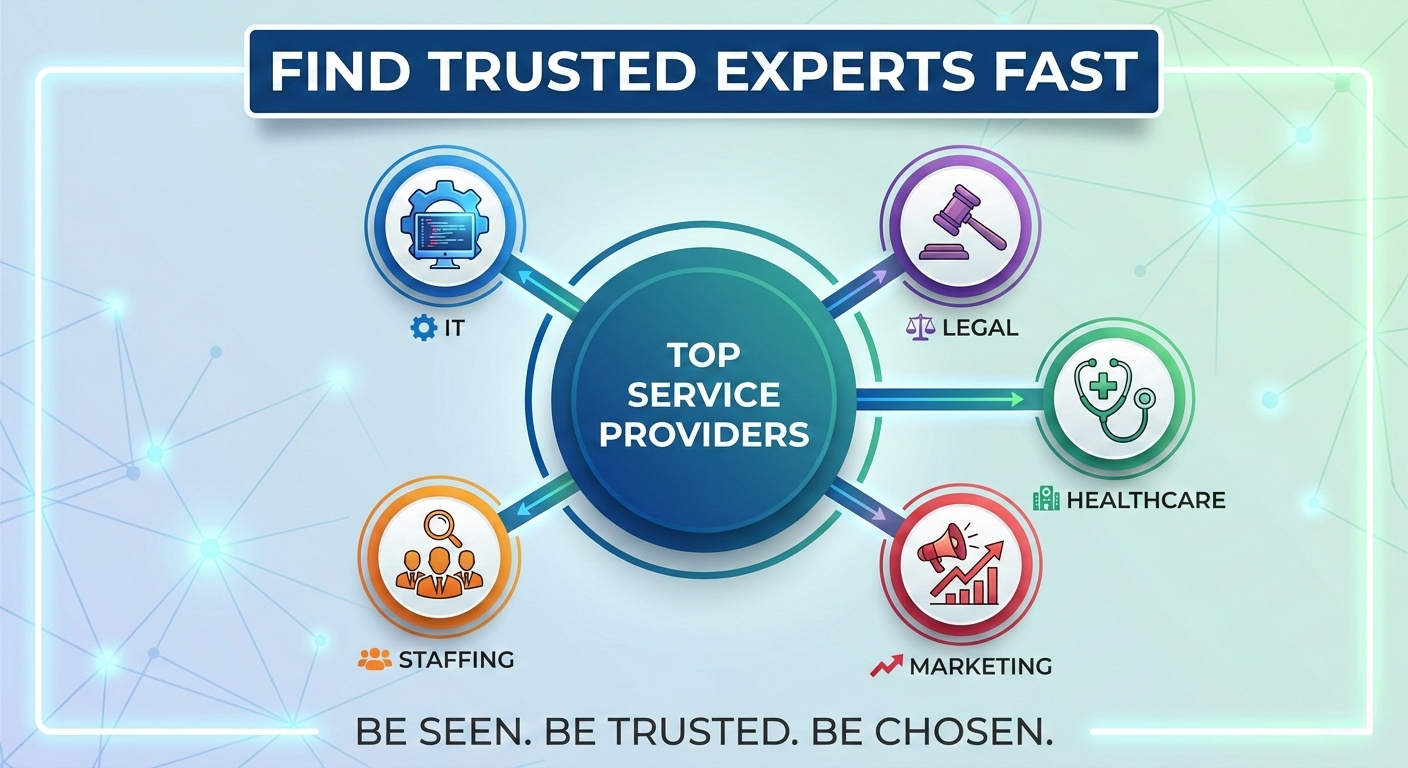
- Professional directories: Comprehensive directories like Top Service Providers allow you to search for qualified physicians by specialty, location, and other criteria. Whether you need doctors in Los Angeles or physicians in your local area, professional directories often provide more detailed information than basic search results.
- Personal referrals: Ask friends, family, and coworkers for recommendations, especially people with similar health needs or insurance plans.
- Current providers: If you’re looking for a specialist, ask your current primary care doctor for referrals. They often know which specialists in your area excel in specific conditions.
- Hospital websites: If you prefer a particular hospital, search their physician finder for doctors with admitting privileges there.
- Professional associations: Medical specialty organizations often have “find a doctor” tools filtered by subspecialty certifications and geographic location.
Cast a wide net initially, then narrow your list based on the seven factors we’ve discussed.
Questions to Ask During Your First Visit
Come to your first appointment prepared with questions that help you evaluate whether this doctor is the right fit:
- What is your approach to [your specific health concern]?
- How do you prefer to communicate with patients between appointments?
- What happens if I have an urgent concern after hours or on weekends?
- How do you stay current with the latest treatments and research in your field?
- Will I typically see you for appointments, or do you work with nurse practitioners or physician assistants?
- What’s your philosophy on [relevant topic: preventive care, prescribing medications, ordering tests, specialist referrals]?
- How involved are you in coordinating care if I need to see specialists?
- What are typical wait times for routine appointments versus urgent concerns?
The doctor’s answers provide insight into their practice style and whether it aligns with your preferences and needs.
When to Keep Looking: Red Flags
Sometimes despite your careful research, a doctor simply isn’t the right fit. Here are signs it’s time to continue your search:
- Dismissive of your concerns: If the doctor routinely minimizes your symptoms or makes you feel your concerns aren’t valid, find someone who takes you seriously.
- Poor communication: If you consistently leave appointments confused about your diagnosis or treatment plan, the relationship isn’t working.
- Doesn’t respect boundaries: If a physician makes inappropriate comments or doesn’t respect your treatment preferences, you deserve better care.
- Consistently unavailable: If you can never get appointments when needed or calls aren’t returned within a reasonable timeframe, the practice can’t meet your needs.
- Outdated practices: If the doctor dismisses established medical evidence or doesn’t seem current with treatments in their field, consider other options.
- Pressure tactics: Be wary of physicians who push specific treatments, tests, or procedures without explaining why they’re necessary or considering alternatives.
- Billing irregularities: If you experience repeated billing errors, balance billing, or other financial red flags, this suggests practice management problems.
- Gut instinct: If you simply don’t feel comfortable with this provider, that’s reason enough to look elsewhere.
Don’t feel guilty about finding a new doctor. Your health is too important to settle for a provider relationship that doesn’t work.
Finding the Right Doctor Takes Time—But It’s Worth It
Choosing a doctor is a significant decision that impacts not just your immediate health needs but your long-term wellness. While it’s tempting to simply pick the closest provider with good reviews and call it done, taking time to consider insurance compatibility, hospital affiliations, credentials, logistics, communication style, cultural factors, and genuine review insights leads to better healthcare experiences and outcomes.
The right doctor doesn’t just treat symptoms—they listen to your concerns, explain your options clearly, coordinate your care effectively, and partner with you in maintaining your health. That relationship is worth the extra effort required to find it.
Start your search with clear criteria based on what matters most to you. Use professional directories to identify qualified candidates. Verify the practical details. Schedule first appointments with your top choices. Then trust your judgment about who feels like the right fit.
Remember, you’re not just looking for any doctor near you—you’re finding the right doctor for you. That distinction makes all the difference in your healthcare journey.