
Finding the right dentist is one of the most important healthcare decisions you’ll make. Your oral health affects everything from your confidence to your overall wellbeing, so choosing a dental provider who meets your needs isn’t just about convenience—it’s about building a partnership that could last years or even decades.
The first consultation is your opportunity to evaluate whether a dentist is the right fit for you and your family. Come prepared with thoughtful questions, and you’ll walk away with the information you need to make a confident decision. Here are 12 essential questions to ask during your first dentist appointment, organized to help you assess every aspect of your potential new dental home.
Experience and Credentials
1. What is your educational background and how long have you been practicing?
Why it matters: While all licensed dentists have completed rigorous training, knowing where your dentist studied and how many years they’ve been in practice gives you context about their experience level. A dentist who graduated from an accredited dental school and has several years of experience has likely encountered a wide variety of cases.
What to listen for: Look for dentists who are proud to discuss their education and continuing education. Dentistry evolves constantly, so practitioners who regularly attend courses and conferences demonstrate a commitment to staying current with best practices.
2. Do you have experience with patients who have similar needs to mine?
Why it matters: If you have specific concerns—whether it’s dental anxiety, complex restorative needs, cosmetic goals, or pediatric care—you want a dentist who has successfully treated similar patients. Experience with your particular situation means they’ll anticipate challenges and know effective solutions.
What to listen for: Specific examples rather than vague assurances. A good answer might include how many patients with similar needs they see, what outcomes they typically achieve, or what specialized training they’ve pursued in that area.
Treatment Philosophy and Approach
3. What is your approach to preventive care?
Why it matters: Preventive dentistry is the foundation of good oral health. A dentist who emphasizes prevention through education, regular cleanings, and early intervention can help you avoid costly, painful problems down the road.
What to listen for: Discussion of patient education, customized home care recommendations, appropriate cleaning intervals, and strategies like sealants or fluoride treatments when needed. Be cautious if a dentist seems more interested in reactive treatment than prevention.
4. How do you help patients who feel anxious about dental visits?
Why it matters: Dental anxiety is extremely common, affecting an estimated 36% of adults to some degree. If you experience nervousness or fear about dental appointments, you need a provider who takes those feelings seriously and has concrete strategies to help you feel comfortable.
What to listen for: Specific accommodations like sedation options, calming office environments, clear communication throughout procedures, the option to use hand signals, headphones, breaks during treatment, or extra time for appointments. Empathy and understanding in their response is just as important as the practical solutions they offer.
5. How do you approach treatment planning when there are multiple options?
Why it matters: Modern dentistry often offers several ways to address the same problem, each with different costs, timelines, and outcomes. A good dentist presents options, explains the pros and cons of each, and helps you make an informed decision aligned with your priorities and budget.
What to listen for: A willingness to discuss alternatives rather than pushing a single solution. The best dentists act as advisors, providing their professional recommendation while respecting that you make the final decision about your own care.
Practice and Technology
6. What technology and techniques do you use in your practice?
Why it matters: Dental technology has advanced dramatically in recent years. Digital x-rays reduce radiation exposure, intraoral cameras help you see what the dentist sees, and modern techniques can make procedures faster and more comfortable. While fancy equipment isn’t everything, it often indicates a practice that invests in quality care.
What to listen for: Mention of digital x-rays, electronic records, modern sterilization equipment, and technologies relevant to treatments you might need. More important than having every gadget is that the dentist can explain how their tools benefit patients.
7. How do you stay current with new developments in dentistry?
Why it matters: Dentistry is a science, and like all sciences, it evolves. New materials, techniques, and evidence-based practices emerge regularly. Dentists who pursue continuing education provide better care because they’re working with the most current knowledge.
What to listen for: Specific courses, conferences, or professional organizations they engage with. Many states require continuing education for license renewal, but the best dentists exceed minimums because they’re genuinely interested in improving their skills.
Practical Considerations
8. What insurance plans do you accept, and how do you handle billing?
Why it matters: Understanding the financial aspect upfront prevents surprises. You need to know whether the practice accepts your insurance, how they file claims, what you’ll be expected to pay out of pocket, and whether they offer payment plans for larger treatments.
What to listen for: Clear, straightforward answers about insurance participation, whether they provide cost estimates before treatment, if they offer financing options, and how quickly they can verify your coverage. A practice with transparent billing policies demonstrates respect for patients’ financial concerns.
9. What are your office hours, and how far in advance do I need to book appointments?
Why it matters: Practical logistics matter for long-term care. If the office is only open during hours when you’re at work, or if you need to book months in advance for routine cleanings, that could create barriers to consistent care.
What to listen for: Hours that work with your schedule, reasonable wait times for appointments, and flexibility for urgent needs. Ask about evening or weekend hours if those are important to you.
Emergency Care and Follow-Up
10. What happens if I have a dental emergency outside of office hours?
Why it matters: Dental emergencies—severe pain, knocked-out teeth, broken restorations—don’t only happen during business hours. You need to know how to reach your dentist or get care when urgent problems arise.
What to listen for: A clear protocol for after-hours emergencies, whether the dentist provides an emergency number, how quickly they can typically see emergency patients, and whether they have relationships with specialists or emergency facilities if needed.
11. How do you communicate with patients between appointments?
Why it matters: Sometimes you need to ask questions, report symptoms, or get advice between visits. Understanding how the practice handles communication helps you know whether you can easily reach them when you need guidance.
What to listen for: Multiple contact methods (phone, email, patient portal), typical response times, and whether you can communicate directly with the dentist or primarily with staff. Some modern practices offer text messaging or secure online messaging, which can be very convenient.
Referrals and Specialized Care
12. Do you handle most procedures in-house, or do you refer to specialists?
Why it matters: General dentists can perform many procedures, but some situations benefit from specialist care (periodontists for gum disease, endodontists for complex root canals, oral surgeons for extractions, etc.). Understanding when and how your dentist refers patients tells you about their scope of practice and their professional network.
What to listen for: Honesty about their capabilities and a willingness to refer when appropriate. A dentist who tries to handle everything may not be serving your best interests. Ask whether they have specialists they regularly work with and how they coordinate care.
Making Your Decision
After your consultation, take time to reflect on both the answers you received and how you felt in the office. Did the dentist listen carefully to your concerns? Did the staff treat you with respect? Was the office clean and well-organized? Did you feel rushed, or did you have adequate time for your questions?
Trust your instincts alongside the practical information you gathered. The “right” dentist has the credentials and expertise to provide excellent care AND makes you feel comfortable, heard, and confident in their recommendations.
Remember that choosing a dentist is a personal decision. What matters most to one person—perhaps a practice that offers sedation dentistry—might be less important to someone else who prioritizes extended evening hours or a particular specialty. Use these twelve questions as a framework, but also pay attention to the concerns most relevant to your unique situation.
Ready to Find Your Ideal Dentist?
Armed with these essential questions, you’re prepared to evaluate potential dentists and make an informed choice for your oral health. The first consultation is your chance to interview the dentist just as much as they’re evaluating your dental needs—take advantage of it.
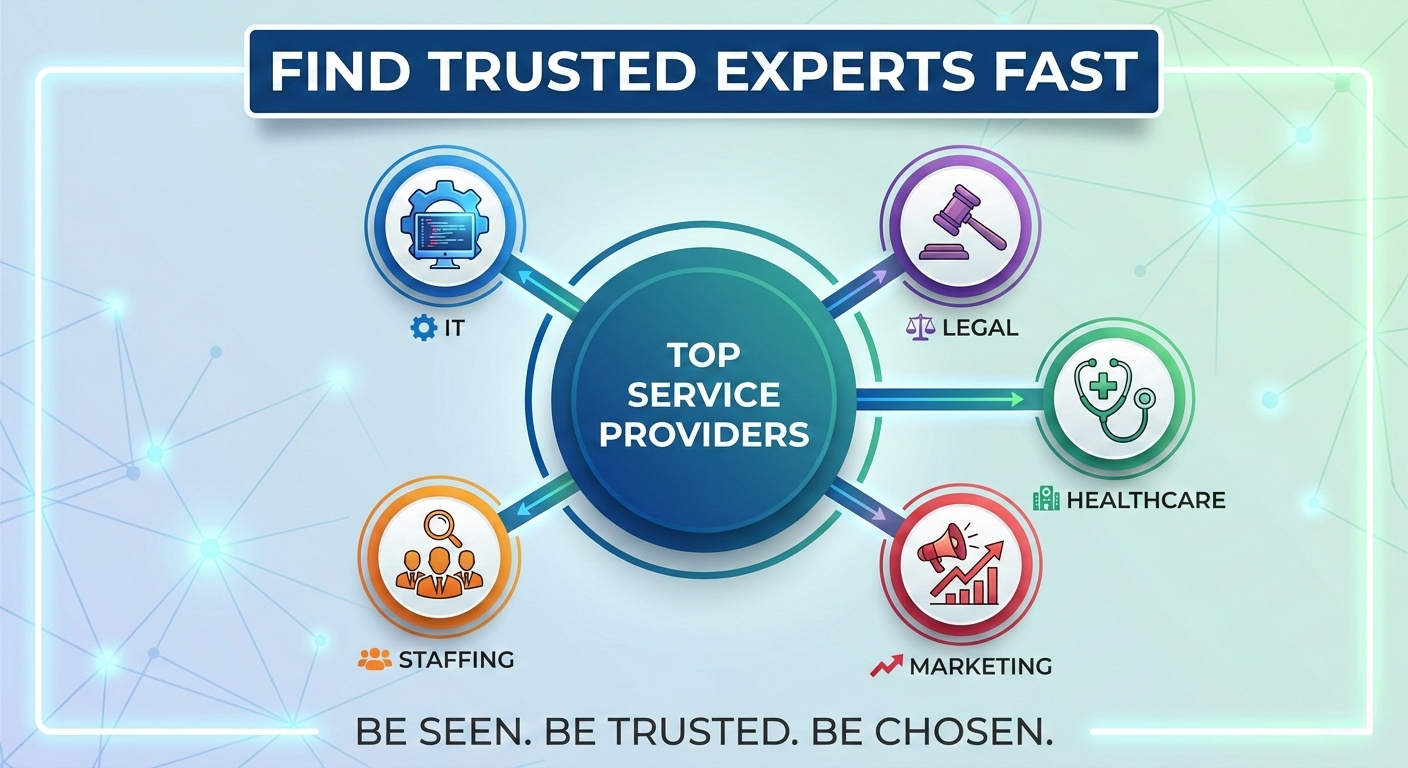
Looking for qualified dentists in your area? Top Service Providers makes it easy to find experienced dental professionals who meet your needs. Browse our comprehensive directories to discover dentists with verified credentials, read about their services, and find contact information:
Each listing provides the details you need to start your search with confidence. Once you’ve identified potential dentists, use the questions in this guide during your consultations to find the perfect fit for your dental care journey.
Your oral health deserves attention from a professional you trust. Take the time to ask the right questions, and you’ll build a dental care relationship that supports your health for years to come.