
Finding the right doctor near you is one of the most important healthcare decisions you’ll make. Whether you’ve just moved to a new area, your insurance has changed, or you’re simply looking for better care, having a trusted physician close to home can make all the difference in your health and well-being.
The good news? Finding a qualified doctor near me has never been easier. With the right approach and resources, you can locate a healthcare provider who meets your needs, accepts your insurance, and is conveniently located in your community.
This comprehensive guide will walk you through everything you need to know about finding a local doctor, from understanding different types of physicians to evaluating your first appointment and knowing when it might be time to make a change.
Types of Doctors You Might Need
Before you start your search for a doctor near you, it’s helpful to understand the different types of physicians and what they specialize in. This ensures you’re looking for the right healthcare provider for your specific needs.
Primary Care Physicians (PCPs)
Primary care doctors are often your first point of contact for general health concerns. They include family medicine doctors, internal medicine physicians, and general practitioners. These physicians handle routine checkups, preventive care, common illnesses, and chronic disease management. If you’re looking for a family doctor who can care for you and your loved ones long-term, a primary care physician is essential. Learn more in our guide on how to find a primary care doctor.
Pediatricians
If you have children, finding a pediatrician near me is crucial. Pediatricians specialize in caring for infants, children, and adolescents, providing everything from well-child visits and vaccinations to treatment of childhood illnesses.
Specialists
You may also need to find a specialist near me for specific health conditions. Common specialists include:
- Cardiologists – Heart and cardiovascular health
- Dermatologists – Skin, hair, and nail conditions
- Orthopedists – Bones, joints, and musculoskeletal system
- OB/GYNs – Women’s reproductive health and pregnancy care
- Psychiatrists – Mental health and medication management
- Endocrinologists – Hormone disorders and diabetes
- Gastroenterologists – Digestive system disorders
- Neurologists – Brain and nervous system conditions
- Ophthalmologists – Eye care and surgery
Your primary care doctor can provide referrals to specialists when needed, but it’s helpful to know what type of specialist you might need for specific health concerns.
Benefits of Choosing a Doctor Near You
While it might be tempting to choose a highly-rated doctor across town, there are significant advantages to finding a local doctor close to home or work.
Convenience and Accessibility
A physician near me means less travel time for routine appointments, sick visits, and follow-ups. This is especially important if you have chronic health conditions requiring frequent visits or if you have mobility challenges. The easier it is to get to your doctor, the more likely you are to keep appointments and stay on top of your health.
Emergency Access
When urgent health concerns arise, having a doctor nearby can be invaluable. A local physician can often fit you in for same-day or next-day appointments when you’re ill or injured, preventing unnecessary emergency room visits.
Local Hospital Affiliations
Doctors typically have admitting privileges at nearby hospitals. If you ever need hospitalization, having your own doctor affiliated with a local hospital means they can oversee your care or easily communicate with the hospital staff treating you.
Continuity of Care
When your doctor is nearby, you’re more likely to establish a long-term relationship. This continuity allows your physician to truly understand your health history, notice changes over time, and provide more personalized, effective care.
Community Reputation
Local doctors build reputations within their communities. You can ask neighbors, coworkers, and friends about their experiences, giving you trusted, firsthand insights into a physician’s quality of care.
How to Search for Doctors in Your Area
Now that you understand why finding a doctor near me is important, let’s explore the best methods for locating qualified healthcare providers in your area.
Online Professional Directories
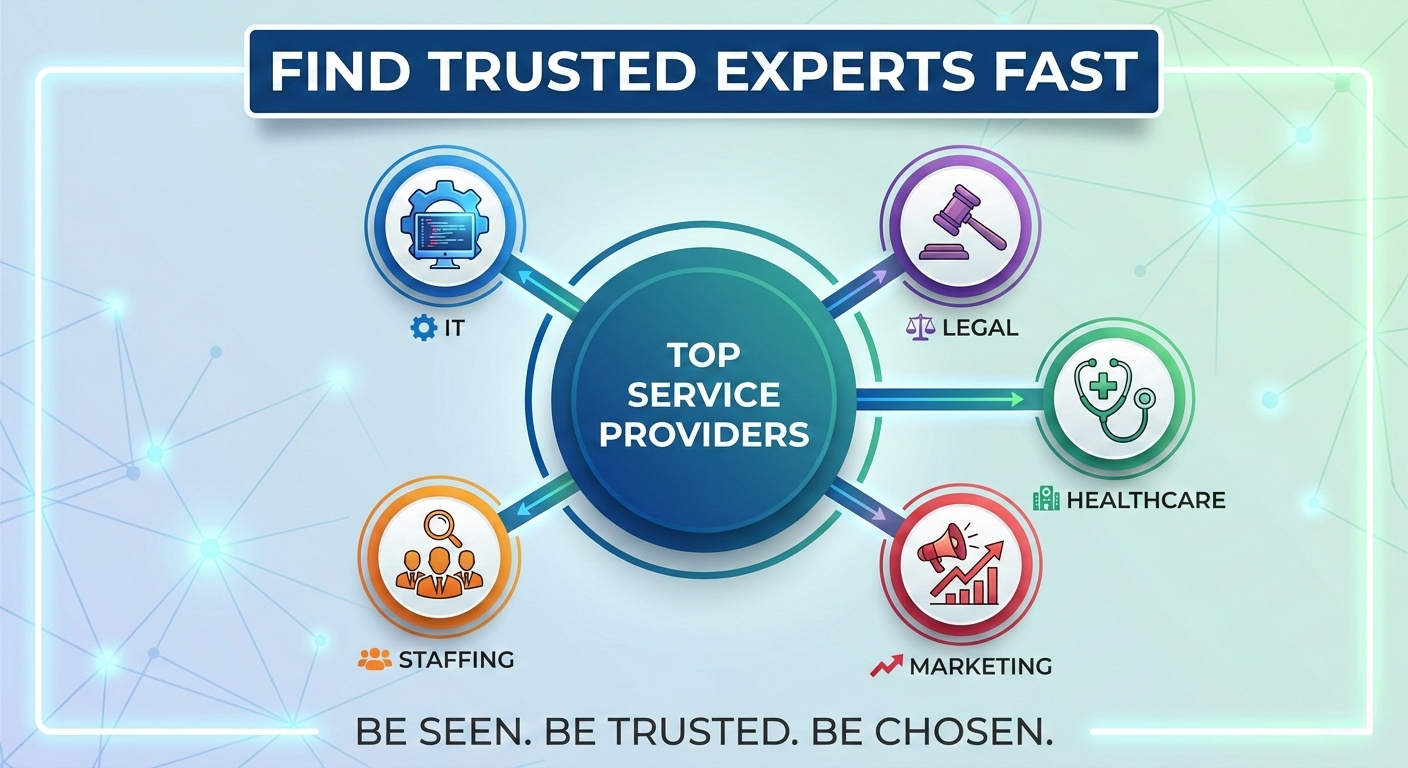
One of the most efficient ways to find a local doctor is through comprehensive online directories. Top Service Providers makes it easy to search for doctors and healthcare professionals in your specific location. You can filter by specialty, read patient reviews, verify credentials, and compare multiple providers all in one place. Our directory helps you make informed decisions by providing detailed profiles of medical professionals in your community.
Insurance Provider Lists
Your health insurance company maintains a directory of in-network physicians. Start here to ensure any doctor you choose accepts your insurance, which can save you significant out-of-pocket costs. Most insurance websites allow you to search by specialty, location, and even language spoken.
Local Hospital Websites
Major hospitals and healthcare systems in your area typically have “Find a Doctor” tools on their websites. These directories list physicians with admitting privileges or who are part of the hospital’s medical group. This can be particularly useful if you prefer doctors affiliated with a specific healthcare system.
Referrals from Friends and Family
Personal recommendations remain one of the most trusted ways to find a doctor. Ask people you trust about their experiences with local physicians. What do they like about their doctor? How is the office staff? How long do they typically wait for appointments?
Online Reviews and Ratings
Patient reviews can provide valuable insights into a doctor’s bedside manner, office efficiency, and quality of care. Look for patterns in reviews rather than focusing on individual comments. Multiple reviews mentioning long wait times or poor communication are red flags, while consistent praise for attentiveness and thoroughness are positive indicators.
What to Look for in a Doctor
Once you’ve identified several potential doctors near you, it’s time to narrow down your choices. Here are the key factors to consider when evaluating a physician.
Credentials and Board Certification
Verify that any doctor you’re considering is licensed to practice medicine in your state and is board-certified in their specialty. Board certification indicates that the physician has completed additional training and passed rigorous examinations in their field. This information is typically available on state medical board websites or through the American Board of Medical Specialties.
Experience and Expertise
Consider how long the doctor has been practicing and whether they have specific experience with conditions relevant to your health needs. While newer doctors bring fresh training and knowledge, experienced physicians have seen a broader range of cases and may offer valuable clinical judgment.
Hospital Affiliations
Check which hospitals the doctor is affiliated with and whether those facilities are conveniently located and well-regarded. Quality hospital affiliations can indicate a doctor’s professional standing and ensure you’ll receive care at reputable facilities if hospitalization is needed.
Insurance Acceptance
Confirm that the doctor accepts your specific insurance plan. Even if they accept your insurance company, they may not participate in all plans that company offers. Call the office directly to verify and ask about payment policies for any services that might not be covered.
Communication Style
Your doctor’s communication style should align with your preferences. Do you prefer a physician who explains everything in detail, or someone who gets straight to the point? Do you want a doctor who encourages shared decision-making, or one who takes a more directive approach? These preferences are personal and important to your satisfaction with care.
Office Location and Hours
Consider the practical aspects of accessing care. Is the office convenient to your home or workplace? Do the office hours accommodate your schedule? Is parking available? These seemingly small factors can significantly impact your ability to maintain regular care.
Patient Reviews and Reputation
Read what other patients say about their experiences. Look for comments about wait times, staff friendliness, how well the doctor listens, and whether patients feel their concerns are taken seriously. While no doctor will have perfect reviews, the overall pattern should be positive.
Questions to Ask Before Your First Appointment
Before scheduling your first appointment with a new doctor, call the office and ask these important questions to ensure they’re the right fit for your needs.
Insurance and Payment Questions
- Do you accept my insurance plan?
- What is your policy for copays and payment?
- Do you offer payment plans for out-of-pocket costs?
- What services might not be covered by my insurance?
Availability and Access Questions
- How far in advance do I need to schedule routine appointments?
- Can you accommodate same-day appointments for urgent issues?
- What are your office hours?
- Do you offer telehealth or virtual appointments?
- Is the office accessible if I have mobility concerns?
After-Hours Care Questions
- What should I do if I have a health concern outside of office hours?
- Do you have an after-hours answering service?
- Which emergency room should I go to if needed?
- Will you or a colleague be available for urgent calls?
Communication Preference Questions
- How do you prefer patients communicate between appointments (phone, email, patient portal)?
- How quickly can I expect responses to non-urgent questions?
- Can I access my medical records online?
- How do you handle prescription refills?
The staff’s willingness to answer these questions thoroughly and patiently can also give you insight into the overall culture and professionalism of the practice.
Evaluating Your First Visit
Your first appointment with a new doctor is not just about getting medical care—it’s also an opportunity to evaluate whether this physician is the right long-term fit for you. Pay attention to these factors during your visit.
The Office Environment
Notice whether the office is clean, organized, and well-maintained. Is the waiting room comfortable? Are COVID-19 safety protocols visible if applicable? The physical environment often reflects the overall quality and attention to detail you can expect from the practice.
Wait Times
While occasional delays happen in medical offices, consistently long wait times can be frustrating and indicate poor scheduling practices. Your time is valuable, and a well-run practice respects that.
Staff Professionalism
How do the front desk staff, nurses, and medical assistants treat you? Are they friendly, efficient, and respectful? The quality of support staff significantly impacts your overall care experience.
The Doctor’s Approach
During your appointment, consider:
- Does the doctor make eye contact and actively listen to your concerns?
- Do they ask thorough questions about your health history and current symptoms?
- Do they explain diagnoses and treatment options in terms you understand?
- Do they welcome your questions and answer them patiently?
- Do they involve you in decision-making about your care?
- Do you feel respected and taken seriously?
Feeling Heard and Respected
Perhaps most importantly, trust your instincts. Do you feel comfortable with this doctor? Do they seem genuinely interested in your well-being? Healthcare is deeply personal, and you deserve a physician who makes you feel heard, respected, and cared for.
If something feels off during your first visit—whether it’s feeling rushed, dismissed, or uncomfortable—it’s okay to continue your search for a better fit.
When to Consider Switching Doctors
Even if you’ve had the same doctor for years, there are legitimate reasons to consider finding a new physician. Recognizing when it’s time to make a change is important for your health and well-being.
Poor Communication
If your doctor consistently dismisses your concerns, doesn’t explain things clearly, or makes you feel uncomfortable asking questions, it may be time to find someone who communicates more effectively. Good communication is fundamental to quality healthcare.
Consistently Long Wait Times
While occasional delays are understandable, if you consistently wait 45 minutes to an hour past your appointment time, the practice may be overbooked or poorly managed. Your time matters, and chronic delays show a lack of respect for patients.
Dismissive Behavior
If your doctor regularly dismisses your symptoms, doesn’t take your concerns seriously, or makes you feel like you’re wasting their time, find someone who will advocate for your health. You deserve a physician who listens and takes your concerns seriously.
Lack of Coordination or Follow-Up
Good doctors coordinate your care, follow up on test results, and ensure you understand next steps. If you’re consistently left without follow-up or your doctor doesn’t seem to communicate with specialists you’ve been referred to, consider finding more attentive care.
Insurance or Location Changes
Sometimes practical considerations necessitate a change. If your insurance changes and your current doctor is no longer in-network, or if you move to a different area, you’ll need to find a new physician near me who better fits your current situation.
Concerns About Quality of Care
If you have serious concerns about medical errors, negligence, or the quality of care you’ve received, it’s important to find a new doctor immediately. In cases of suspected medical malpractice, you may also want to consult with specialists who understand these complex situations. If you’re in the Houston area and have concerns about potential malpractice, resources like Houston medical malpractice lawyers can help you understand your rights and options.
Remember, switching doctors is your right as a patient. You don’t need to stay with a physician who isn’t meeting your needs, and you don’t owe them an explanation for your decision. Your health and comfort should always come first.
Start Your Search Today
Finding the right doctor near you is an investment in your health and well-being. While the search process may feel overwhelming at first, following these steps will help you identify qualified, caring healthcare providers in your community who meet your specific needs.
Remember, the best doctor for you is one who is:
- Properly credentialed and board-certified
- Conveniently located near your home or workplace
- Accepting of your insurance
- Communicative and respectful of your concerns
- Accessible when you need care
- A good personal fit for your healthcare preferences
Ready to find your ideal doctor? Top Service Providers makes it easy to search for qualified physicians and healthcare professionals in your area. Browse detailed profiles, read verified patient reviews, compare credentials, and find doctors who accept your insurance—all in one convenient place.
Whether you need a primary care physician for routine care, a specialist for a specific condition, or a pediatrician for your children, our comprehensive directory helps you make informed decisions about your healthcare. Start your search today and take the first step toward better health with a doctor you can trust.
Frequently Asked Questions
How do I find a good doctor near me?
Start by using online directories like Top Service Providers to search for doctors in your area by specialty and location. Check your insurance provider’s list of in-network physicians, read patient reviews, verify credentials, and ask friends or family for recommendations. Schedule a first appointment to evaluate whether the doctor is a good fit for your needs.
What’s the difference between a primary care doctor and a specialist?
A primary care doctor (PCP) provides general healthcare services including preventive care, routine checkups, and treatment of common illnesses. They serve as your main healthcare coordinator. A specialist focuses on a specific area of medicine, such as cardiology (heart), dermatology (skin), or orthopedics (bones and joints). Your PCP typically provides referrals to specialists when needed.
Should I choose a doctor close to home or close to work?
Consider your lifestyle and schedule. If you work long hours far from home, a doctor near your workplace might be more convenient for appointments during lunch breaks or before/after work. If you work from home, have flexibility, or want care accessible to family members, a doctor near your home may be better. Some people even choose a doctor between home and work for maximum flexibility.
How can I verify a doctor’s credentials and qualifications?
Check your state medical board’s website to verify a doctor’s license is current and whether any disciplinary actions have been taken. Confirm board certification through the American Board of Medical Specialties website. Many online directories, including Top Service Providers, display credential information to make verification easier.
What should I do if I can’t find a doctor accepting new patients?
If doctors in your area aren’t accepting new patients, ask to be placed on a waiting list. Consider expanding your search radius slightly, look for newer practices that may have availability, or check whether urgent care clinics in your area offer primary care services. You can also contact your insurance company for assistance finding available in-network doctors.
Is it okay to switch doctors if I’m not satisfied?
Absolutely. You have every right to change doctors if you’re not satisfied with your care, communication, or overall experience. You don’t need to provide a reason or get permission. Simply find a new doctor, schedule an appointment, and request that your medical records be transferred. Your health and comfort should always be your top priority.
Last updated: January 2025