
How to Find a Primary Care Doctor: A Complete Guide for 2025
Finding the right primary care doctor is one of the most important healthcare decisions you’ll make. Your primary care physician (PCP) serves as your health advocate, coordinates your medical care, manages chronic conditions, and helps you stay healthy through preventive care. Yet many people put off this crucial step or feel overwhelmed by the process.
Whether you’ve recently moved, changed insurance plans, or simply need to establish care with a new doctor, this comprehensive guide will walk you through everything you need to know about how to find a primary care doctor who’s the right fit for you.
Why Having a Primary Care Doctor Matters
Before diving into the search process, it’s worth understanding why having a consistent primary care physician is so valuable:
- Continuity of care: A PCP who knows your medical history can provide better, more personalized treatment
- Preventive health: Regular check-ups help catch potential problems early when they’re most treatable
- Care coordination: Your PCP manages referrals to specialists and ensures all your providers are working together
- Lower healthcare costs: Studies show that patients with a regular primary care doctor have lower overall healthcare expenses
- Better health outcomes: Ongoing relationships with PCPs are associated with improved health results and patient satisfaction
Now that you understand the importance, let’s explore how to choose a primary care doctor who meets your needs.
What to Look for in a Primary Care Doctor
Finding a primary care physician isn’t just about picking the first name that comes up in a search. Consider these key factors when choosing a PCP:
Credentials and Qualifications
Your doctor’s training and certifications matter. Look for:
- Medical degree: MD (Doctor of Medicine) or DO (Doctor of Osteopathic Medicine)—both are fully qualified physicians
- Board certification: Certification in family medicine, internal medicine, or general practice demonstrates specialized training and ongoing education
- State licensure: Verify the doctor is licensed to practice in your state with no disciplinary actions
- Hospital privileges: Check which hospitals your potential doctor is affiliated with, especially if you have preferences
Location and Accessibility
Convenience matters when it comes to regular healthcare:
- Choose a practice located near your home or workplace for easy access
- Consider parking availability and public transportation options
- Check if the office is accessible if you have mobility concerns
- Look for practices with extended hours if you have a demanding work schedule
Insurance Acceptance
One of the most practical considerations when you’re trying to find a primary care physician is insurance coverage:
- Verify the doctor accepts your specific insurance plan
- Understand your copay and deductible requirements
- Confirm they’re in-network to avoid surprise bills
- If you’re uninsured, ask about self-pay rates and payment plans
Communication Style and Bedside Manner
Your relationship with your PCP should be built on trust and open communication:
- Do you prefer a doctor who explains everything in detail or one who’s more direct?
- Are you comfortable with your doctor’s communication approach?
- Does the doctor listen to your concerns and answer your questions?
- Do you feel respected and valued as a patient?
Availability and Appointment Scheduling
Consider these practical factors:
- How far in advance do you need to book routine appointments?
- Can you get same-day or next-day appointments for urgent issues?
- Does the practice offer telehealth options for minor concerns?
- What are the after-hours and weekend coverage options?
- How easy is it to reach someone when you call with questions?
Gender and Language Preferences
Don’t overlook personal preferences that affect your comfort:
- Some patients feel more comfortable with a doctor of a specific gender
- If English isn’t your first language, finding a doctor who speaks your language can improve communication
- Cultural competency and understanding can enhance your care experience
Where to Search for Primary Care Doctors
Now that you know what you’re looking for, where should you actually search? Here are the most effective places to find doctor near me options and beyond:
Your Insurance Directory
Start with your insurance company’s provider directory:
- Most insurers offer online searchable databases of in-network providers
- You can filter by specialty, location, gender, and language
- Always call the doctor’s office to confirm they still accept your insurance—directories aren’t always updated in real-time
Online Healthcare Directories
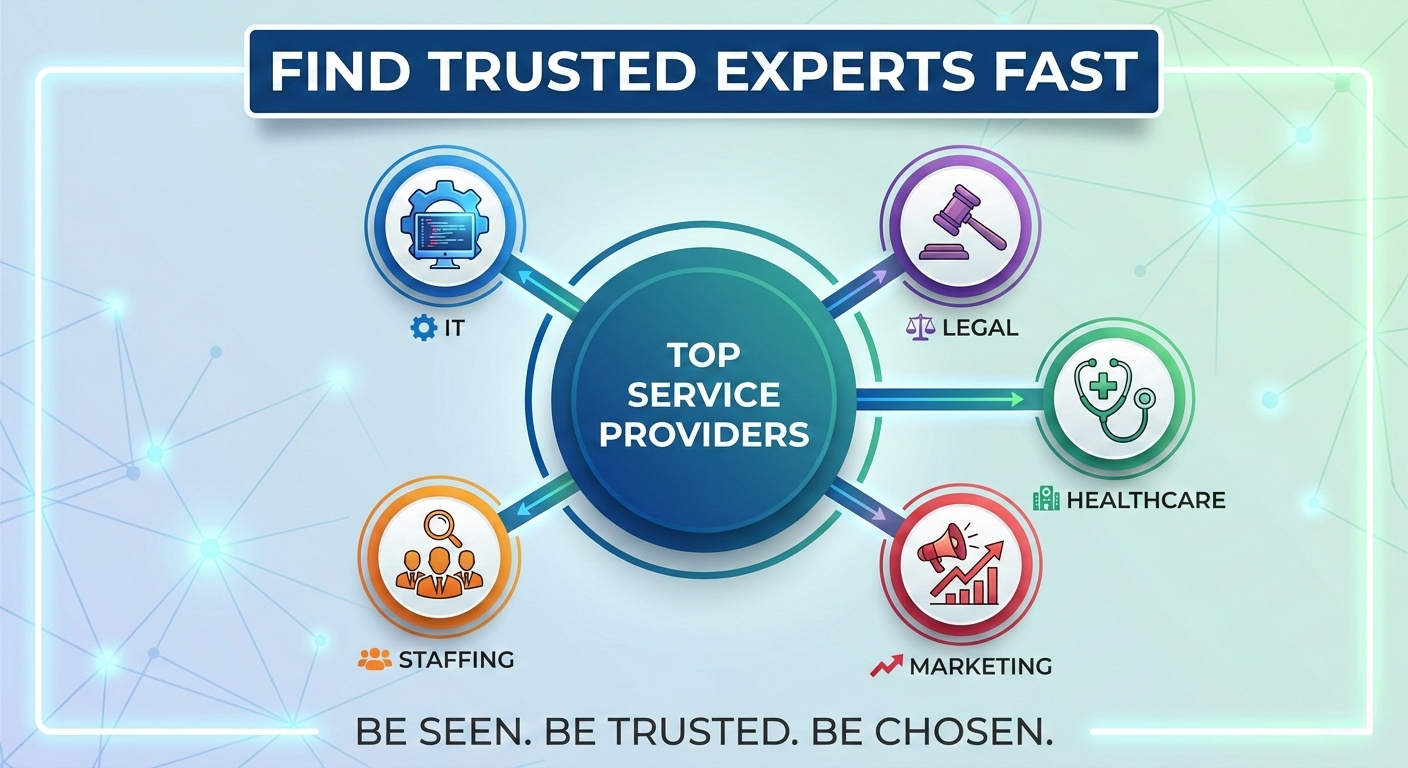
Professional directories like Top Service Providers make it easy to find and compare doctors:
- Search by location, specialty, and other criteria
- Read detailed provider profiles with credentials and practice information
- Compare multiple doctors in one place
- Access verified information about healthcare professionals in your area
Online Reviews and Ratings
Patient reviews provide valuable insights, but read them critically:
- Look for patterns across multiple reviews rather than focusing on individual comments
- Pay attention to feedback about wait times, staff friendliness, and communication
- Remember that very negative reviews may represent outlier experiences
- Check multiple review platforms for a balanced perspective
Hospital Affiliations
If you prefer a specific hospital or health system:
- Most hospitals maintain directories of affiliated physicians
- This ensures care coordination if you need hospitalization
- Hospital-employed physicians often have access to integrated electronic health records
Word of Mouth Recommendations
Personal referrals remain one of the most trusted sources:
- Ask friends, family, neighbors, and coworkers for recommendations
- Inquire with other healthcare providers you trust
- Join local community groups or forums where people share healthcare experiences
- Consider recommendations from people with similar health needs or values
Medical Board Websites
State medical boards provide official licensing and disciplinary information:
- Verify a doctor’s license status
- Check for any disciplinary actions or malpractice claims
- Confirm their medical education and training
Questions to Ask During Your First Appointment
Once you’ve narrowed down your options and scheduled a meet-and-greet or first appointment, come prepared with questions. This initial visit is your opportunity to evaluate whether this doctor is the right fit:
About Their Practice and Approach
- What is your philosophy on preventive care and wellness?
- How do you typically involve patients in treatment decisions?
- What happens if I need urgent care outside of office hours?
- Do you offer telehealth appointments for routine follow-ups?
- Who covers for you when you’re unavailable?
About Communication and Access
- What’s the best way to reach you or your staff with non-urgent questions?
- Do you use a patient portal for test results and messaging?
- How long does it typically take to get test results?
- What’s your policy on prescription refills?
- How far in advance should I book annual physicals?
About Coordination of Care
- How do you handle referrals to specialists?
- Will you coordinate with specialists I’m already seeing?
- How do you ensure all my providers are on the same page?
- Do you have experience managing [specific condition you have]?
About Your Specific Health Needs
- I have [condition]—what’s your experience treating this?
- What’s your approach to managing chronic conditions?
- Are you comfortable prescribing [specific medication you take]?
- Do you have experience with patients in my age group/life stage?
Pay attention not just to the answers, but to how the doctor responds. Do they listen attentively? Do they explain things clearly? Do they respect your questions? These observations are just as important as the information you gather.
Red Flags to Watch For When Choosing a Doctor
While searching for the right primary care doctor, be alert to warning signs that a particular physician or practice might not be the best choice:
Communication Red Flags
- Doesn’t listen: The doctor interrupts frequently or dismisses your concerns
- Rushes appointments: You consistently feel hurried and unable to discuss all your concerns
- Dismissive attitude: Your symptoms or questions aren’t taken seriously
- Poor explanation skills: The doctor uses jargon without explaining or won’t answer questions
Practice Management Red Flags
- Consistently long wait times: Regularly waiting an hour or more past your appointment time
- Difficulty scheduling: Cannot get appointments within a reasonable timeframe
- Rude or unhelpful staff: Front desk personnel are consistently unprofessional
- Billing issues: Frequent billing errors or lack of transparency about costs
- Disorganized office: Lost paperwork, missed test results, or poor record-keeping
Clinical Red Flags
- No physical examination: Diagnoses conditions without appropriate examination
- Over-prescribing: Immediately prescribes medication without exploring other options
- Refuses necessary referrals: Won’t refer you to specialists when clearly needed
- Ignores evidence-based medicine: Recommends unproven or fringe treatments
- Inconsistent with records: Doesn’t review your chart or remember previous visits
Trust Your Instincts
If something feels off about a doctor or practice, trust your gut. Your healthcare relationship should be built on mutual respect, trust, and open communication. If those elements are missing, it’s okay to keep looking.
When to Consider Switching Doctors
Even if you’ve established care with a primary care physician, there may come a time when you need to make a change. Here are legitimate reasons to consider finding a new PCP:
Valid Reasons to Switch
- You’ve relocated: Your current doctor is no longer conveniently accessible
- Insurance changes: Your PCP is no longer in your network
- Communication breakdown: You and your doctor can’t seem to understand each other
- Different healthcare philosophy: You have fundamental disagreements about treatment approaches
- Lack of trust: You no longer feel confident in your doctor’s abilities or judgment
- Life changes: Your healthcare needs have changed (pregnancy, chronic illness, aging) and your doctor isn’t equipped to handle them
- Persistent availability issues: You can never get appointments when you need them
- Your doctor retires: Sometimes the decision is made for you
How to Make the Transition Smooth
If you decide to switch doctors:
- Find your new doctor before leaving the old one, if possible
- Request a copy of your medical records to take with you
- Don’t feel obligated to explain your reasons in detail—”I’m seeking care elsewhere” is sufficient
- Ensure your new doctor’s office has all necessary records before your first appointment
- Update your insurance company with your new PCP designation if required
Special Considerations for Different Life Stages
Young Adults
If you’re transitioning from pediatric to adult care:
- Look for family medicine doctors who see patients of all ages
- Consider internal medicine specialists who focus on adults
- Ask about experience with young adult health issues like mental health, reproductive health, and preventive care
Parents and Families
When choosing a PCP for your family:
- Family medicine doctors can see all family members, simplifying scheduling
- Look for practices that accommodate children and adults
- Consider convenience factors even more heavily with multiple family members to coordinate
Older Adults
Seniors have unique healthcare needs:
- Consider geriatric specialists or internists with extensive experience with older patients
- Look for doctors who can manage multiple chronic conditions
- Ensure the practice is accessible for mobility challenges
- Ask about care coordination with multiple specialists
Making Your Final Decision
After researching and possibly meeting with one or more potential doctors, how do you make your final choice? Consider creating a simple comparison chart with your top priorities as criteria:
- Location and convenience
- Insurance acceptance
- Communication style match
- Availability for appointments
- Office environment and staff
- Overall comfort level
Rate each doctor on these factors and see who scores highest. Remember, you’re not locked in forever—you can always switch if the relationship isn’t working—but giving careful consideration upfront increases your chances of finding the right fit from the start.
Frequently Asked Questions
How often should I see my primary care doctor?
Most healthy adults should see their PCP at least once a year for an annual physical and preventive care. If you have chronic conditions, you may need more frequent visits. Your doctor will recommend an appropriate schedule based on your individual health needs.
What’s the difference between family medicine and internal medicine?
Family medicine doctors are trained to treat patients of all ages, from infants to seniors. Internal medicine physicians (internists) specialize in adult medicine and often have more training in complex adult diseases. Both can serve as excellent primary care providers for adults.
Do I need a referral to see a specialist?
This depends on your insurance plan. Some plans (like HMOs) require referrals from your PCP to see specialists. Other plans (like PPOs) allow you to see specialists without referrals, though you may pay less with one. Check your specific plan details.
Can I switch primary care doctors at any time?
Yes, you generally can switch PCPs whenever you want. However, check with your insurance company about any specific procedures or timing requirements, especially if you’re in an HMO plan.
What if I can’t find a doctor accepting new patients?
Ask to be placed on a waiting list for doctors you’re interested in. Consider expanding your geographic search area. Look for newer doctors or those who recently joined a practice, as they often have more availability. Community health centers may also have shorter wait times.
Should I choose a doctor near my home or workplace?
This depends on your schedule and preferences. If you work long hours, a doctor near your workplace might be more convenient for squeezing in appointments. If you prefer weekend or evening appointments, near home might work better. Consider where you’ll be long-term, especially if you’re planning to stay with this doctor for years.
Take the Next Step in Finding Your Primary Care Doctor
Finding the right primary care doctor is an investment in your long-term health and wellbeing. While the search process may seem overwhelming at first, breaking it down into manageable steps—identifying your priorities, researching candidates, asking the right questions, and trusting your instincts—will lead you to a healthcare partnership that serves you well for years to come.
Remember, this relationship is one of the most important you’ll have. You deserve a doctor who listens, respects you, communicates clearly, and partners with you in maintaining and improving your health.
Ready to start your search? Browse our comprehensive directory of primary care doctors in your area at Top Service Providers. Our directory makes it easy to compare qualified physicians, filter by location and specialty, and find the right healthcare provider for your needs. Your health journey starts with finding the right partner—let us help you take that first step today.
Visit our doctor directory to begin your search for a primary care physician who’s right for you.