Finding the right lawyer near you can feel overwhelming, especially when you’re dealing with a legal issue that’s already causing stress. Whether you need representation for a personal injury claim, help with family matters, or guidance on business law, choosing the right attorney is one of the most important decisions you’ll make. The good news? With the right approach and resources, you can find a qualified lawyer in your area who’s perfectly suited to handle your case.
This comprehensive guide will walk you through everything you need to know about finding a lawyer near you—from understanding different types of legal specialists to asking the right questions during your consultation. By the end, you’ll have a clear roadmap for making this critical decision with confidence.
Why Location Matters When Choosing a Lawyer
When you search for a “lawyer near me” or “attorney near me,” you’re not just looking for convenience—you’re making a smart strategic choice. Local lawyers bring distinct advantages that can significantly impact your case outcome. They understand your state’s specific laws, have established relationships with local courts and judges, and can meet with you face-to-face when needed.
A lawyer practicing in your community also has a reputation to maintain locally, which often translates to higher accountability and better service. They’re invested in your community and understand the local legal landscape in ways that out-of-state attorneys simply cannot match.
Types of Lawyers You Might Need
Before you start your search, it’s important to understand what type of lawyer you need. Legal practice is highly specialized, and finding an attorney with the right expertise for your situation is crucial. Here are the most common types of lawyers people search for:
Personal Injury Lawyers
Personal injury attorneys represent clients who have been injured due to someone else’s negligence. This includes car accidents, slip and fall incidents, workplace injuries, and product liability cases. If you’ve been hurt and need compensation for medical bills, lost wages, or pain and suffering, a personal injury lawyer can help. For more specialized guidance, check out our detailed post on how to find a personal injury lawyer near me.
Medical Malpractice Lawyers
When healthcare providers fail to meet the standard of care, resulting in patient harm, medical malpractice lawyers step in. These cases are complex and require attorneys with specific medical and legal knowledge to prove negligence and secure compensation.
Family Law Attorneys
Family lawyers handle divorce, child custody, adoption, prenuptial agreements, and domestic violence matters. These sensitive cases require attorneys who combine legal expertise with empathy and discretion.
Criminal Defense Lawyers
If you’re facing criminal charges—from DUI to serious felonies—a criminal defense attorney protects your rights and builds your defense. Local criminal lawyers understand the prosecutors and judges in your jurisdiction, which can be invaluable.
Estate Planning Attorneys
Estate planning lawyers help you create wills, trusts, powers of attorney, and healthcare directives. They ensure your assets are distributed according to your wishes and help minimize tax burdens for your heirs.
Business and Corporate Lawyers
Business attorneys assist with contract negotiations, business formation, mergers and acquisitions, employment disputes, and regulatory compliance. They’re essential partners for entrepreneurs and established companies alike.
Real Estate Lawyers
Real estate attorneys handle property transactions, title issues, landlord-tenant disputes, and zoning matters. They ensure your real estate deals close smoothly and your interests are protected.
Benefits of Hiring a Local Lawyer Near You
There are compelling reasons why searching for a lawyer near me is more than just about convenience:
Deep Knowledge of State and Local Laws
Laws vary significantly from state to state and even between municipalities. A local attorney is intimately familiar with the specific statutes, regulations, and legal precedents that apply to your case. For example, personal injury laws in California differ from those in Texas, and a lawyer practicing in your state understands these nuances completely.
Familiarity With Local Courts and Judges
Local lawyers regularly appear in your area’s courthouses. They know the judges’ tendencies, the court clerks, the procedural preferences, and how cases typically move through the system. This insider knowledge can provide strategic advantages that out-of-town attorneys simply don’t have.
Established Professional Relationships
Attorneys who practice in your community have built relationships with other lawyers, prosecutors, mediators, and experts. These connections can facilitate negotiations, expedite processes, and sometimes lead to more favorable outcomes.
Convenience of In-Person Meetings
While technology enables remote communication, there’s no substitute for sitting down with your attorney face-to-face, especially when discussing sensitive or complex matters. Local lawyers make in-person consultations easy and accessible.
Community Reputation and Accountability
Lawyers who live and work in your community care deeply about their local reputation. This often translates to higher levels of service, responsiveness, and dedication to client success.
How to Search for Lawyers in Your Area
Now that you understand why local representation matters and what type of lawyer you need, let’s explore the best methods for finding qualified attorneys near you.
Use Professional Directories
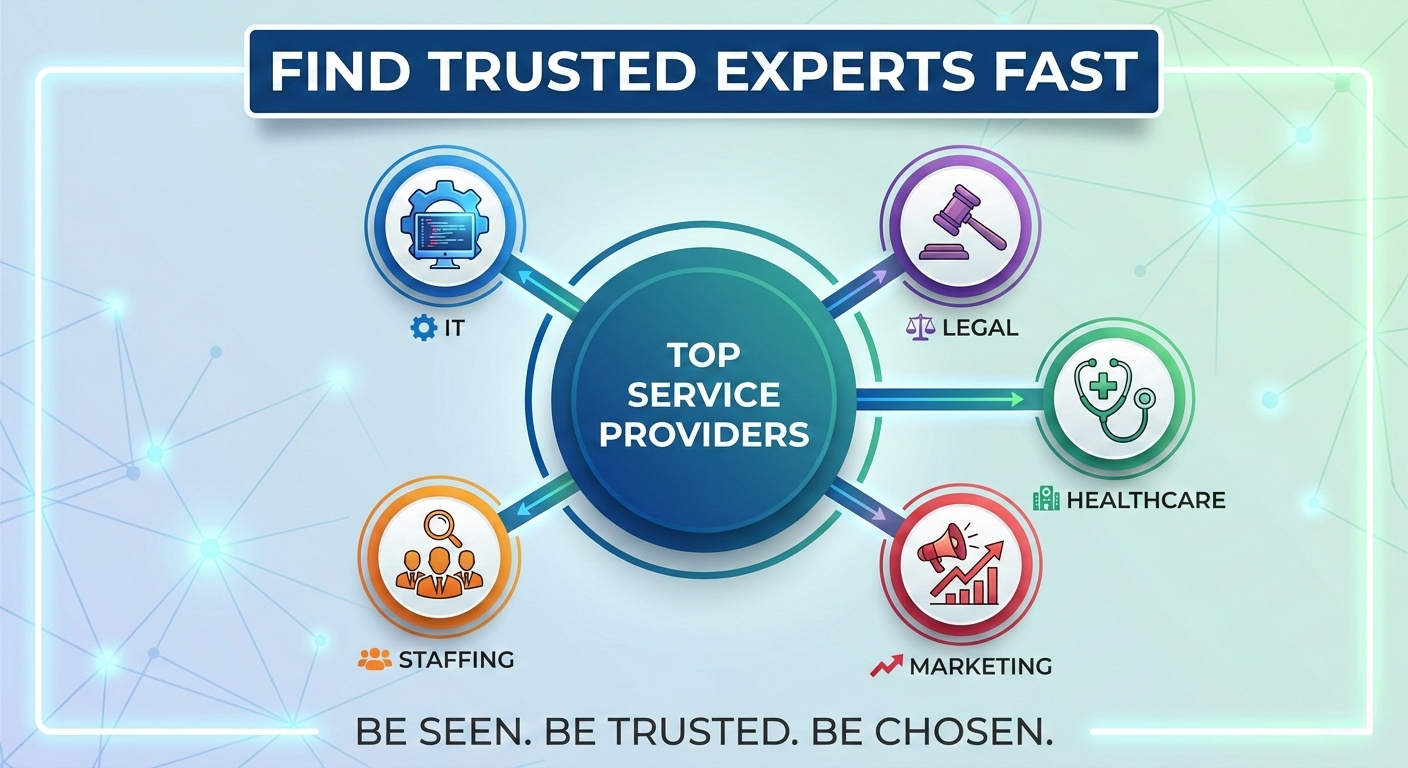
Online professional directories are often the most efficient way to find a lawyer near me. Top Service Providers offers a comprehensive, curated directory of qualified legal professionals organized by location and specialty. You can browse verified lawyers in your city, read reviews, compare credentials, and contact attorneys directly.
Whether you’re in a major metropolitan area or a smaller community, professional directories allow you to filter by practice area and location to find exactly the right fit. For example, if you need a personal injury lawyer in Los Angeles, personal injury attorney in New York, or legal representation in Chicago, you can quickly find experienced lawyers serving those specific areas.
Check Your State Bar Association
Every state has a bar association that maintains a directory of licensed attorneys. These directories verify that lawyers are in good standing and haven’t faced disciplinary actions. While bar directories confirm credentials, they typically don’t include reviews or detailed information about an attorney’s specialties and experience.
Ask for Personal Referrals
Word-of-mouth recommendations from friends, family, or colleagues who’ve had positive experiences with local lawyers can be invaluable. People you trust can provide honest insights about an attorney’s communication style, effectiveness, and professionalism.
Use Google Search Strategically
Searching “lawyer near me” or “attorney near me” on Google will show local results based on your location. Pay attention to attorneys with many positive reviews, professional websites, and clear information about their practice areas. However, remember that search rankings don’t always correlate with quality—do your due diligence.
Consult Other Professionals
Your accountant, financial advisor, or even your doctor may have recommendations for lawyers they’ve worked with or heard positive things about. Professional referrals often lead to high-quality attorneys.
What to Look for in a Lawyer
Once you’ve identified potential lawyers near you, it’s time to evaluate them. Here are the key factors to consider:
Relevant Experience and Track Record
How long has the attorney been practicing? More importantly, how much experience do they have with cases like yours? An attorney who has successfully handled dozens of cases similar to yours will be better equipped to navigate your situation than a generalist or someone new to that practice area.
Specialization in Your Type of Case
Legal specialization matters enormously. You wouldn’t want a real estate lawyer handling your medical malpractice case. Look for attorneys who dedicate a significant portion of their practice to your specific legal need. For instance, if you were injured in Houston and believe medical negligence was involved, you’d want to find a Houston medical malpractice lawyer with a proven track record in that specialty.
Client Reviews and Testimonials
What are past clients saying? Look for patterns in reviews. Do clients consistently praise the attorney’s communication? Do they mention successful outcomes? Are there complaints about responsiveness or billing? Reviews provide valuable insights into what working with that lawyer will actually be like.
Communication Style and Accessibility
You need a lawyer who communicates in a way that works for you. During initial consultations, assess whether they explain complex legal concepts clearly, listen to your concerns, and respond promptly. Poor communication is one of the top complaints about attorneys—make sure yours prioritizes keeping you informed.
Fee Structure and Transparency
Understand exactly how the lawyer charges. Common arrangements include:
- Contingency fees: The lawyer only gets paid if you win (common in personal injury cases, typically 33-40% of recovery)
- Hourly rates: You pay for the time the lawyer spends on your case
- Flat fees: A set price for specific services (common in estate planning or simple business matters)
- Retainers: An upfront payment that the lawyer draws from as they work
The best lawyers are upfront about costs and provide written fee agreements that detail all charges.
Professional Credentials and Recognition
Look for attorneys who are members of relevant professional organizations, have received industry recognition, or hold specialized certifications. While awards aren’t everything, they can indicate an attorney’s commitment to excellence and standing in the legal community.
Questions to Ask During Your Consultation
Most lawyers offer free or low-cost initial consultations. This is your opportunity to interview them and determine if they’re the right fit. Come prepared with these essential questions:
About Their Experience
- “How many cases like mine have you handled?”
- “What were the outcomes?”
- “How long have you been practicing in this area of law?”
- “Are you board certified in this specialty?”
About Your Case
- “What’s your initial assessment of my case?”
- “What are the potential outcomes, both positive and negative?”
- “What challenges do you foresee?”
- “What strategy would you recommend?”
About Timeline and Process
- “How long do cases like this typically take?”
- “What are the key milestones in the process?”
- “How often will you update me on progress?”
- “Will you personally handle my case, or will other attorneys or staff be involved?”
About Costs
- “What is your fee structure?”
- “Are there additional costs I should expect (court fees, expert witnesses, etc.)?”
- “Do you require a retainer? If so, how much?”
- “If this is a contingency case, what percentage do you take?”
- “Can you provide a written fee agreement?”
About Communication
- “How do you prefer to communicate (phone, email, in-person)?”
- “How quickly do you typically respond to client inquiries?”
- “Will I have direct access to you, or will I mainly work with staff?”
Red Flags to Avoid When Choosing a Lawyer
Just as important as knowing what to look for is recognizing warning signs that should send you looking elsewhere:
Guarantees of Specific Outcomes
No ethical lawyer can guarantee a specific result. The legal system is too unpredictable, and guarantees are actually prohibited by professional conduct rules. If an attorney promises you’ll win or receive a certain settlement amount, walk away.
Requests for Large Upfront Payments in Contingency Cases
In personal injury and other contingency cases, lawyers shouldn’t require large upfront payments beyond reasonable filing fees or costs. If someone wants thousands of dollars before taking your case, be very suspicious.
Lack of Specialization or Relevant Experience
A lawyer who claims to handle “everything” may not have deep expertise in anything. You want a specialist, not a jack-of-all-trades, especially for complex legal matters.
Poor Communication or Unprofessional Behavior
If a lawyer is hard to reach, doesn’t return calls, shows up late to your consultation, or treats you dismissively, that’s how they’ll behave throughout your case. Trust your instincts about professionalism and respect.
Pressure to Sign Immediately
Reputable attorneys understand you need time to make an informed decision. High-pressure tactics to sign a retainer agreement immediately are a major red flag.
Disciplinary History
Always check with your state bar association to see if the attorney has faced disciplinary actions. Multiple complaints or serious violations should disqualify them from consideration.
Making Your Final Decision
After conducting your research, meeting with several attorneys, and asking the right questions, it’s time to make your choice. Here’s how to decide:
Trust your instincts. Beyond credentials and experience, you need to feel comfortable with your lawyer. This person will be your advocate, and you need to trust them with sensitive information and important decisions.
Compare the complete package. Don’t choose solely based on the lowest fee or the closest office. Consider experience, specialization, communication style, and overall comfort level together.
Verify everything in writing. Before you commit, ensure you have a written fee agreement that clearly outlines the scope of representation, costs, and your rights as a client.
Don’t delay unnecessarily. Many legal matters have strict deadlines (statutes of limitations). Once you’ve identified the right attorney, move forward promptly to protect your rights.
Start Your Search Today
Finding the right lawyer near you doesn’t have to be complicated or overwhelming. With the information in this guide, you’re equipped to make a confident, informed decision about your legal representation.
The most important step is to start your search. Whether you need a personal injury attorney, a family lawyer, help with business matters, or any other legal service, Top Service Providers makes it easy to find qualified, vetted lawyers in your area. Our directory features experienced attorneys organized by location and specialty, complete with reviews, credentials, and contact information.
Browse our directory of local lawyers today and take the first step toward resolving your legal matter with confidence. Your ideal attorney is out there—let us help you find them.
Frequently Asked Questions
How much does it cost to hire a lawyer?
Legal fees vary widely depending on the type of case, the attorney’s experience, and your location. Personal injury lawyers typically work on contingency (33-40% of your settlement), criminal defense attorneys often charge $150-$500+ per hour, and simple legal services like basic will preparation might cost $300-$1,000 as a flat fee. Always discuss fees upfront during your initial consultation.
Do I really need a lawyer near me, or can I hire someone from another state?
For most legal matters, you need a lawyer licensed in your state because laws vary significantly between states. Even if an attorney is licensed in your state but practices far away, you’ll miss out on the advantages of local expertise—familiarity with local courts, judges, and procedures. There are rare exceptions for federal matters or when you need very specialized expertise not available locally.
How do I know if a lawyer is reputable?
Check multiple sources: verify they’re licensed and in good standing with your state bar association, read client reviews on independent platforms, look for professional recognition and memberships, and ask for references from past clients. During your consultation, assess their communication style, professionalism, and whether they clearly answer your questions.
What’s the difference between a lawyer and an attorney?
In the United States, the terms are essentially interchangeable. Both refer to someone who has graduated from law school, passed the bar exam, and is licensed to practice law. Technically, “attorney” is short for “attorney-at-law” and emphasizes the representative role, but in everyday use, “lawyer” and “attorney” mean the same thing.
How long do I have to file a legal claim?
This depends entirely on your type of case and state. Statutes of limitations vary widely—personal injury claims might have a 1-3 year deadline, medical malpractice could be 2 years, and other cases have different timeframes. This is why it’s crucial to consult with a lawyer near you as soon as possible. Missing a deadline can permanently bar your claim, regardless of how strong your case is.
Should I hire the first lawyer I meet with?
It’s generally wise to consult with at least 2-3 attorneys before making your decision. This allows you to compare experience levels, fee structures, communication styles, and overall comfort. However, don’t delay unnecessarily due to analysis paralysis—once you’ve found an attorney who checks all the boxes and feels right, move forward confidently.
Ready to find the right lawyer for your needs? Browse Top Service Providers’ comprehensive directory of qualified local attorneys, organized by specialty and location. Start your search today and connect with experienced legal professionals in your area.