How to Find a Personal Injury Lawyer Near Me: A Complete Guide for 2025
When you’ve been injured due to someone else’s negligence, finding the right legal representation can feel overwhelming—especially when you’re already dealing with medical bills, pain, and recovery. But here’s an important truth: where your personal injury lawyer is located matters just as much as their credentials and experience.
A local personal injury attorney brings invaluable advantages to your case. They understand your state’s specific injury laws, have established relationships with local courts and judges, know the tactics of regional insurance adjusters, and can meet with you face-to-face during a difficult time. Whether you’re searching for “personal injury lawyer near me” or “best injury attorney in my area,” this guide will walk you through everything you need to know to find the right legal advocate in your local community.
Why Location Matters When Choosing a Personal Injury Lawyer
Before diving into the search process, it’s essential to understand why proximity and local expertise are critical factors in personal injury cases.
State-Specific Laws and Statutes of Limitations
Personal injury law varies significantly from state to state. Each state has its own:
– Statute of limitations (the deadline for filing your claim)
– Comparative or contributory negligence rules
– Damage caps on certain types of compensation
– Specific requirements for medical malpractice or product liability cases
A local personal injury attorney practices in your state’s courts daily and stays current on legal changes that could impact your case. They know exactly how long you have to file, what evidence you’ll need, and how local juries typically respond to cases like yours.
Familiarity with Local Courts and Judges
Attorneys who regularly practice in your area’s courthouses develop important professional relationships and institutional knowledge. They understand:
– Individual judges’ preferences and tendencies
– Local court procedures and filing requirements
– Which arguments resonate with regional juries
– The reputation and strategies of opposing counsel
This insider knowledge can make a measurable difference in case strategy and outcomes.
Easier Communication and In-Person Meetings
Personal injury cases often require multiple consultations, document reviews, and strategy sessions. A nearby lawyer means:
– Convenient office visits when you need to discuss your case
– The ability to meet face-to-face during emotionally difficult moments
– Quick responses to urgent questions or developments
– Less reliance on phone calls and video conferences
When you’re recovering from an injury, the last thing you need is the stress of traveling long distances to meet with your attorney.
Knowledge of Local Insurance Companies and Adjusters
Experienced local injury lawyers have likely negotiated with the same insurance companies and claims adjusters many times before. This familiarity helps them:
– Anticipate common settlement tactics and lowball offers
– Know which insurers negotiate fairly and which require aggressive litigation
– Understand regional settlement value ranges for different injury types
– Leverage past relationships to facilitate better communication
Key Factors to Evaluate in a Personal Injury Lawyer
Once you understand why local representation matters, it’s time to evaluate specific attorneys in your area. Here are the essential criteria to consider.
Credentials and Licensing
Every personal injury lawyer you consider should be:
– Licensed to practice law in your state
– In good standing with the state bar association
– Free from disciplinary actions or ethical violations
You can verify an attorney’s license status through your state’s bar association website. This simple step protects you from unlicensed practitioners and ensures your lawyer meets professional standards.
Relevant Experience and Specialization
Personal injury is a broad field covering everything from car accidents to medical malpractice. Look for attorneys who:
– Specialize in personal injury law (not general practice attorneys)
– Have specific experience with your type of injury (auto accidents, slip and fall, workplace injuries, etc.)
– Have been practicing for at least 3-5 years
– Regularly take cases to trial (not just settle every case)
An attorney who has handled dozens of cases similar to yours will navigate your claim more effectively than a generalist.
Track Record and Case Results
While past results don’t guarantee future outcomes, they reveal an attorney’s capability. Research:
– Settlement amounts and verdicts in similar cases
– Success rate in negotiations vs. trial
– Recognition from legal organizations or peer reviews
– Published case results (keeping in mind confidentiality limitations)
Be wary of attorneys who make unrealistic promises about your case outcome—ethical lawyers know that every case is unique.
Client Reviews and Testimonials
Real client experiences offer valuable insights into an attorney’s communication style, responsiveness, and overall service. Look for:
– Google reviews and ratings
– Testimonials on the lawyer’s website
– Reviews on legal directories and rating sites
– Feedback about communication, empathy, and results
Pay attention to how attorneys respond to negative reviews—this reveals their professionalism and problem-solving approach.
Fee Structure and Transparency
Most personal injury lawyers work on a contingency fee basis, meaning they only get paid if you win your case. However, the details matter:
– What percentage do they take? (Typically 33-40%)
– Does the percentage increase if the case goes to trial?
– Who pays for case expenses like expert witnesses and filing fees?
– Are there any upfront costs or consultation fees?
A trustworthy attorney will explain their fee structure clearly and in writing before you sign any agreement. For more detailed information about costs, check out our guide on how much a personal injury lawyer costs.
Resources and Support Staff
Significant injury cases require substantial resources. Consider whether the law firm has:
– Paralegals and support staff to handle case details
– Financial resources to fund case expenses before settlement
– Relationships with medical experts and investigators
– Technology for case management and client communication
Larger firms or established practices typically have more resources, though smaller boutique firms may offer more personalized attention.
How to Research and Find Local Personal Injury Lawyers
Now that you know what to look for, here’s how to actually find qualified personal injury attorneys in your area.
Online Professional Directories
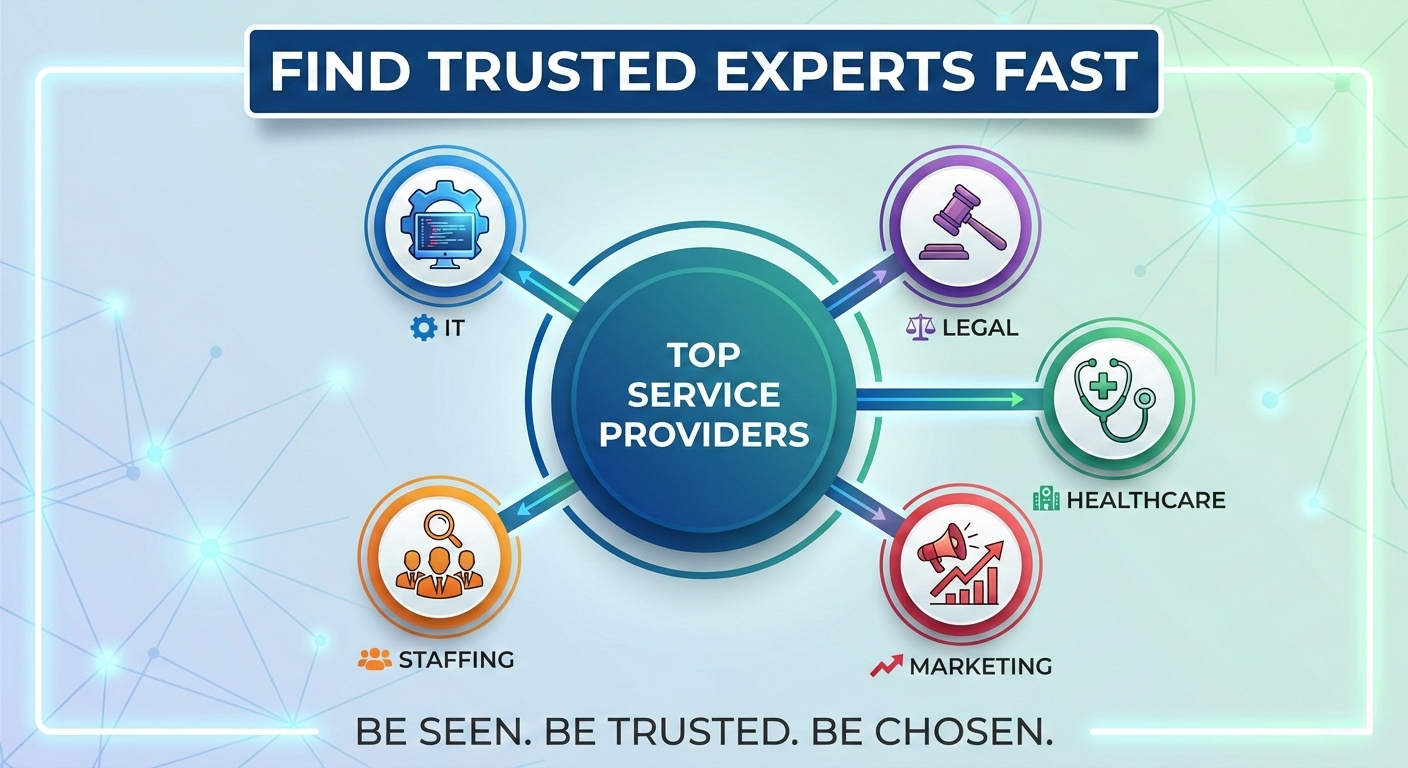
Professional directories are one of the most efficient ways to find and compare local attorneys. Top Service Providers allows you to:
– Search specifically for personal injury lawyers in your city
– Read verified reviews and ratings
– Compare credentials and experience
– View contact information and websites
– Filter by specialization and location
Browse our directory to find qualified professionals in major cities:
– Los Angeles Personal Injury Lawyers
– Chicago Personal Injury Lawyers
– NYC Personal Injury Lawyers
We also feature specialists in related fields, like Houston Medical Malpractice Lawyers, for those with specialized needs.
State and Local Bar Associations
Your state bar association maintains a directory of licensed attorneys and can provide:
– Verification of license status
– Disciplinary history
– Lawyer referral services
– Specialization certifications
Many bar associations offer free referral services that match you with attorneys based on your legal needs and location.
Personal Referrals and Recommendations
Ask trusted friends, family members, or colleagues if they’ve worked with a personal injury lawyer they’d recommend. Personal referrals offer:
– Firsthand accounts of working with the attorney
– Insights into communication style and responsiveness
– Real outcomes and satisfaction levels
Just remember that your case may differ from theirs, so still conduct your own research.
Online Search and Local Reviews
A simple Google search for “personal injury lawyer near me” or “best injury attorney [your city]” will surface local options. Pay attention to:
– Google Business Profile ratings and reviews
– How well the attorney’s website explains their services
– Educational content like blogs or FAQs
– Professional website design and functionality
An attorney’s online presence often reflects their practice—organized, informative websites suggest organized, professional legal services.
Legal Rating Sites
Websites like Avvo, Martindale-Hubbell, and Super Lawyers provide:
– Peer reviews from other attorneys
– Professional ratings and rankings
– Disciplinary records
– Practice area focus
While these ratings shouldn’t be your only consideration, they offer another data point in your research.
Questions to Ask During Your Initial Consultation
Most personal injury lawyers offer free initial consultations. Come prepared with these essential questions:
About Their Experience
– How many cases like mine have you handled?
– What were the outcomes?
– What percentage of your practice focuses on personal injury?
– Have you tried cases in local courts, or do you primarily settle?
About Your Specific Case
– What’s your honest assessment of my case?
– What’s the likely timeline for resolution?
– What challenges do you anticipate?
– What’s the range of potential compensation?
About Communication and Process
– How will we communicate throughout the case?
– Who will I primarily work with (you or a paralegal)?
– How quickly do you typically respond to client questions?
– How often will you update me on case progress?
About Fees and Costs
– What’s your contingency fee percentage?
– What expenses will I be responsible for?
– When are expenses paid—upfront or from the settlement?
– What happens if we don’t win?
About Case Strategy
– What’s your approach to handling my type of case?
– Do you think we should settle or go to trial?
– What evidence will we need to gather?
– What’s the first step in moving forward?
Pay attention not just to the answers but to how the attorney communicates—clearly, patiently, and respectfully. You’ll be working closely with this person during a stressful time.
Red Flags to Watch Out For
Not all lawyers are created equal. Be cautious if you encounter:
Unrealistic Promises
No ethical attorney can guarantee a specific outcome or settlement amount. If someone promises you’ll definitely win or that you’ll receive a certain dollar amount, walk away.
Pressure to Sign Immediately
Reputable lawyers understand that choosing legal representation is a big decision. High-pressure tactics suggesting you must sign today are red flags.
Poor Communication
If an attorney is difficult to reach, doesn’t return calls, or seems dismissive during your consultation, imagine how frustrated you’ll be as a client.
Lack of Transparency About Fees
Any hesitation or vagueness about fee structures, costs, or expenses should concern you. Get everything in writing before signing.
No Relevant Experience
A lawyer who primarily handles divorces or estate planning shouldn’t suddenly take on a complex injury case. Stick with specialists.
Negative Reviews with Patterns
One or two negative reviews happen to every professional, but patterns of complaints about communication, billing, or results deserve attention.
Disciplinary Actions
Check with your state bar association. Any history of ethical violations or disciplinary actions is a serious concern.
Understanding Contingency Fees and Legal Costs
Personal injury cases typically operate on a contingency fee basis, but it’s important to understand exactly what this means for you.
How Contingency Fees Work
Under a contingency fee agreement:
– You pay no upfront legal fees
– The lawyer receives a percentage of your settlement or verdict
– If you don’t win, you typically don’t owe attorney fees
– The percentage usually ranges from 33% to 40%
This arrangement makes legal representation accessible to injury victims who couldn’t otherwise afford an attorney.
When the Percentage Increases
Many contingency agreements include tiered percentages:
– 33% if the case settles before filing a lawsuit
– 35-37% if a lawsuit is filed but settles before trial
– 40% if the case goes to trial
This structure reflects the increased work required as a case progresses.
Case Expenses vs. Attorney Fees
Contingency fees cover attorney time, but case expenses are separate:
– Filing fees and court costs
– Expert witness fees
– Medical record retrieval
– Depositions and court reporters
– Investigation and evidence gathering
Some attorneys front these costs and deduct them from your settlement. Others require clients to pay as expenses arise. Clarify this arrangement upfront.
How Payment is Calculated
When you receive a settlement, payment typically follows this order:
1. Case expenses are deducted
2. Attorney fees are calculated (based on the remaining amount or the total—clarify which)
3. Any medical liens or insurance reimbursements are paid
4. You receive the remainder
Ask for a clear example calculation during your consultation so there are no surprises.
State Licensing and Why It Matters
Every state regulates who can practice law within its borders, and these requirements exist to protect consumers.
State-Specific Bar Admission
Attorneys must be admitted to the bar in each state where they practice. This means:
– Passing that state’s bar examination
– Meeting character and fitness requirements
– Staying current on continuing legal education
– Following that state’s rules of professional conduct
An attorney licensed in California cannot represent you in a New York case without special admission.
Why You Need a State-Licensed Attorney
Hiring an attorney licensed in your state ensures:
– They’re qualified to appear in your state’s courts
– They understand your state’s specific laws and procedures
– They’re accountable to your state bar association
– You have recourse if something goes wrong
Never hire someone who isn’t properly licensed to practice in your jurisdiction.
Verifying License Status
Every state bar association maintains a public directory where you can verify:
– Current license status
– Date of admission
– Disciplinary history
– Practice areas
– Contact information
This verification takes just a few minutes and is an essential step before hiring any attorney.
How Online Directories Help Streamline Your Search
Finding the right personal injury lawyer doesn’t have to mean hours of research and endless phone calls. Professional directories centralize the information you need to make informed decisions.
Benefits of Using a Professional Directory
Platforms like Top Service Providers offer several advantages:
Curated Local Options
Instead of sifting through generic search results, you’ll find professionals specifically in your area who focus on personal injury law.
Verified Information
Professional directories verify credentials, licenses, and contact information, saving you the verification step.
Client Reviews in One Place
Read experiences from multiple clients without visiting various review sites.
Easy Comparison
Compare experience, specializations, and approaches side-by-side.
Direct Contact Information
Get phone numbers, websites, and office addresses without digging through multiple pages.
Specialization Filters
Narrow your search to attorneys who focus on your specific type of injury—car accidents, medical malpractice, workplace injuries, and more.
Complementing Your Research
Directories work best as part of a comprehensive research strategy:
1. Start with a directory to identify 3-5 qualified local attorneys
2. Review their websites and online presence
3. Read client reviews and testimonials
4. Verify licenses with the state bar
5. Schedule consultations with your top 2-3 choices
6. Make your decision based on expertise, communication, and comfort level
This systematic approach ensures you’re making an informed choice rather than hiring the first attorney you find or the one with the biggest billboard.
Making Your Final Decision
After conducting research and meeting with potential attorneys, how do you choose?
Trust Your Instincts
Beyond credentials and experience, consider:
– Do you feel comfortable with this person?
– Do they listen to your concerns?
– Do you feel respected and valued?
– Can you see yourself working with them for months?
Personal injury cases can last a year or more. Choose someone you trust and feel comfortable communicating with.
Compare Your Options
Create a simple comparison chart with:
– Years of experience
– Specialization match with your case
– Fee structure
– Communication style
– Resources available
– Your overall impression
Sometimes seeing the options side-by-side makes the right choice clear.
Review the Retainer Agreement Carefully
Before signing anything:
– Read every provision of the agreement
– Ask about anything you don’t understand
– Ensure fee percentages and expense policies match what was discussed
– Verify that your responsibilities are clearly outlined
– Keep a copy for your records
Don’t feel pressured to sign immediately—take the agreement home if you need time to review it.
Frequently Asked Questions
How much does a personal injury lawyer cost?
Most personal injury lawyers work on contingency, meaning they take a percentage (typically 33-40%) of your settlement or verdict. You usually pay nothing upfront and nothing if you don’t win. For a detailed breakdown, read our complete guide on personal injury lawyer costs.
How do I know if I need a personal injury lawyer?
Consider hiring an attorney if:
– Your injuries are serious or resulted in significant medical bills
– Liability is disputed
– Multiple parties are involved
– An insurance company denied your claim or offered an unfairly low settlement
– You’re unsure about the value of your claim
– The accident involved a commercial vehicle or government entity
How long do I have to file a personal injury claim?
The statute of limitations varies by state and injury type, ranging from one to six years. In most states, you have 2-3 years from the date of injury, but some circumstances can shorten or extend this deadline. Consult with a local attorney as soon as possible to protect your rights.
Should I hire a local lawyer or can I work with someone in another city?
Always hire a lawyer licensed in your state who practices in your area. Local attorneys understand state-specific laws, have relationships with local courts, and can meet with you in person. Distance creates communication challenges and diminishes the attorney’s local expertise.
What’s the difference between a personal injury lawyer and a general practice attorney?
Personal injury lawyers specialize in cases involving physical or psychological harm caused by negligence. They focus exclusively on understanding injury law, insurance tactics, and case valuation. General practice attorneys handle various legal matters but lack the specialized knowledge and experience that complex injury cases require.
How long will my personal injury case take?
Case timelines vary widely based on:
– Injury severity and treatment duration
– Liability clarity
– Insurance company cooperation
– Whether the case settles or goes to trial
Simple cases might resolve in 3-6 months, while complex cases can take 1-3 years or longer. Your attorney can provide a timeline estimate based on your specific situation.
Can I switch lawyers if I’m unhappy with my current attorney?
Yes, you have the right to change attorneys at any time. However, your original attorney may be entitled to compensation for work already performed. Review your retainer agreement and consult with a new attorney about the transition process.
What should I bring to my initial consultation?
Bring:
– Accident reports (police reports, incident reports)
– Medical records and bills
– Photos of injuries and accident scene
– Insurance information
– Correspondence with insurance companies
– Witness contact information
– A list of questions for the attorney
The more information you provide, the better the attorney can evaluate your case.
Taking the Next Step
Finding the right personal injury lawyer near you is one of the most important decisions you’ll make after an accident. The right attorney brings not just legal expertise but local knowledge, professional relationships, and the resources to fight for the compensation you deserve.
Don’t let the search process overwhelm you. Start by identifying qualified local attorneys through trusted sources like Top Service Providers, where you can find experienced personal injury lawyers in your area. Whether you’re in a major city or smaller community, our directory connects you with verified professionals who understand your state’s laws and your local legal landscape.
Remember: most personal injury attorneys offer free consultations, so you have nothing to lose by scheduling meetings with your top choices. Come prepared with questions, trust your instincts, and choose an advocate who will stand beside you throughout your recovery journey.
Ready to find the right personal injury lawyer in your area? Browse our directory of qualified professionals organized by city and specialty. From car accidents to medical malpractice, we connect you with attorneys who have the experience and local expertise your case deserves.
Similar to how we help you find a primary care doctor, our directory streamlines your search for legal representation, putting verified professionals at your fingertips.
Your recovery matters. Your case matters. Find the right advocate today.