
Finding a new doctor can feel overwhelming. Whether you’ve recently moved to a new city, your longtime physician has retired, or you’re simply unhappy with your current care, the search for the right healthcare provider is more than just typing “find a doctor near me” into Google and picking the first name that pops up. Your doctor will be your partner in managing your health for years to come, so choosing the right one matters—a lot.
The good news? You don’t have to settle for whoever has the next available appointment. With the right approach, you can find a physician who has the credentials, experience, and bedside manner that match your needs. In this guide, we’ll walk you through five essential steps to help you choose a good doctor—one who will listen to your concerns, provide quality care, and become a trusted partner in your long-term health.
Whether you’re searching for a primary care physician, a family doctor, or a specialist, these steps will help you make an informed decision and feel confident about your choice.
Step 1: Check Credentials and Board Certifications
When it comes to your health, credentials matter. Before you schedule your first appointment, take time to verify that any doctor you’re considering has the proper qualifications and certifications to provide the care you need.
What Board Certification Really Means
Board certification is a voluntary process that goes beyond medical school and residency training. When a doctor is board-certified, it means they’ve completed additional rigorous testing in their specialty area and demonstrated expertise in that field. Board-certified physicians must also maintain their certification through continuing education, ensuring they stay current with the latest medical advances and best practices.
While not having board certification doesn’t necessarily mean a doctor isn’t qualified, it’s generally considered a mark of excellence and dedication to their specialty. For primary care physicians, look for board certification in family medicine or internal medicine.
Where to Verify a Doctor’s Credentials
Don’t just take a doctor’s word for their qualifications. Several reliable resources make it easy to verify credentials:
- State Medical Boards: Every state maintains a medical board that licenses physicians and tracks disciplinary actions. You can search your state’s medical board website to confirm a doctor is licensed and check for any complaints or sanctions.
- American Board of Medical Specialties (ABMS): Use their verification tool at certificationmatters.org to confirm board certification status.
- Federation of State Medical Boards (FSMB): The DocInfo.org database lets you search doctors across multiple states.
- Hospital Affiliations: Check which hospitals have granted the doctor privileges. Reputable hospitals conduct their own credentialing processes.
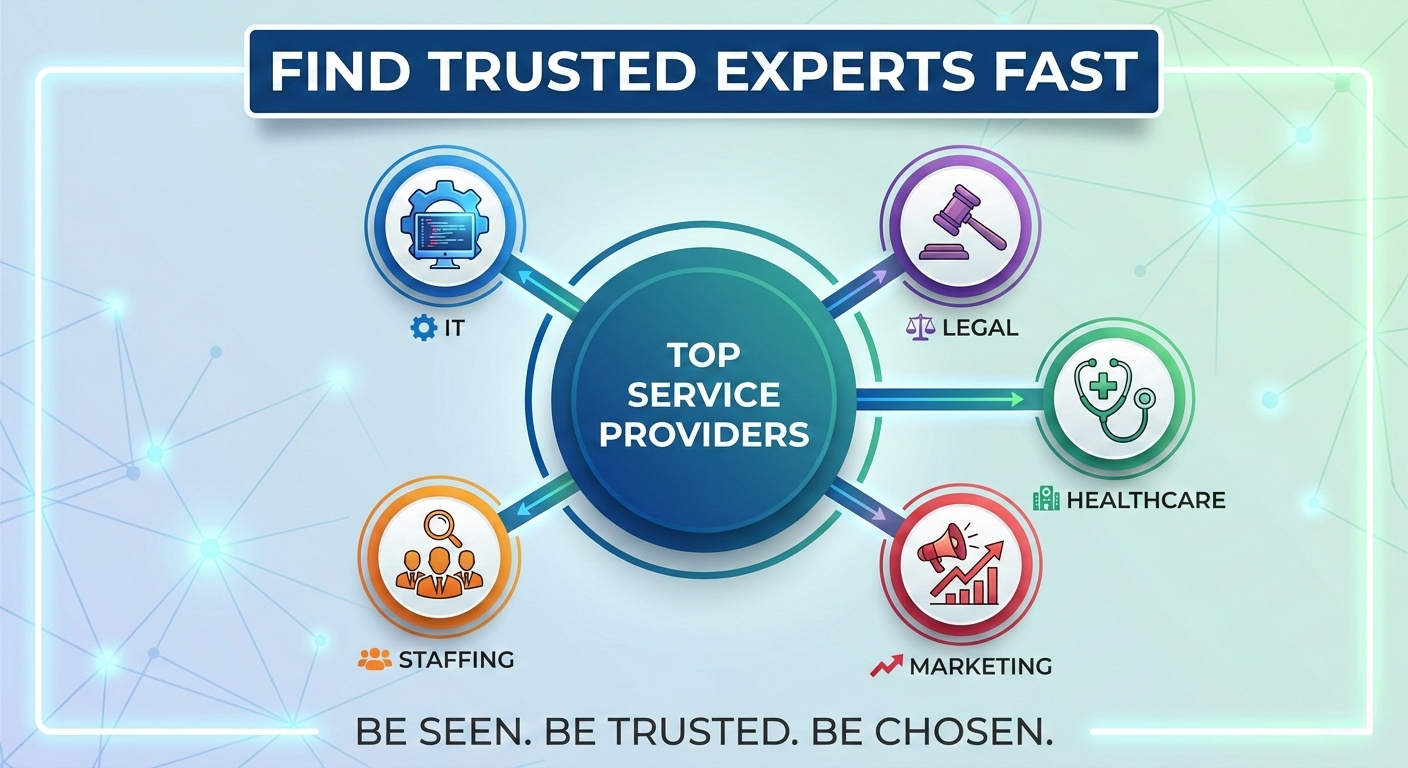
A comprehensive professional directory like TopServiceProviders.com can streamline this research by displaying verified credentials, board certifications, and education history in one convenient location.
Red Flags to Watch For
During your credential check, be alert for these warning signs:
- Multiple malpractice claims or disciplinary actions
- License suspensions or restrictions in any state
- Refusal to provide credential information or make it publicly available
- Medical degree from an unrecognized or questionable institution
- Lack of hospital privileges (unless they practice exclusively in outpatient settings)
One or two old complaints don’t necessarily disqualify a doctor, especially if they’ve been practicing for decades, but patterns of problems should give you pause.
Step 2: Read Patient Reviews and Testimonials
Credentials tell you whether a doctor is qualified, but patient reviews tell you what it’s actually like to be their patient. In healthcare, technical competence is only part of the equation—you also need a doctor who communicates well, respects your time, and makes you feel heard.
Why Reviews Matter for Healthcare
Healthcare is deeply personal. The best doctor for someone else might not be the best doctor for you. Reviews help you understand:
- How the doctor interacts with patients (bedside manner)
- Whether they take time to listen and answer questions
- How the office staff treats patients
- Average wait times and ease of scheduling
- How well the doctor explains diagnoses and treatment options
- Whether patients feel respected and involved in their care decisions
These factors significantly impact your healthcare experience and can even influence health outcomes. Studies show that patients who feel comfortable with their doctor are more likely to follow treatment plans and communicate openly about symptoms.
What to Look For in Reviews
When reading reviews, look beyond the star rating. Pay attention to specific details:
Communication Style: Do reviewers mention that the doctor takes time to explain things clearly? Or do they feel rushed and dismissed?
Bedside Manner: Is the doctor described as compassionate, patient, and respectful? Do they make patients feel comfortable discussing sensitive health issues?
Wait Times: While occasional delays happen in any medical practice, consistent complaints about excessive wait times or difficulty getting appointments can indicate organizational problems.
Staff Professionalism: The entire office team contributes to your experience. Are the front desk staff helpful? Do nurses and medical assistants treat patients with respect?
Responsiveness: How does the practice handle phone calls, prescription refills, and follow-up questions between visits?
Look for patterns across multiple reviews rather than focusing on any single glowing or scathing comment. A doctor with hundreds of reviews and a 4.5-star average is often a safer bet than one with five reviews all giving five stars.
How to Spot Fake Reviews
Unfortunately, fake reviews exist in healthcare just like any other industry. Here’s how to identify them:
- Overly generic language: Fake reviews often use vague praise without specific details about the actual visit or treatment.
- Extreme language: Both suspiciously glowing and excessively negative reviews warrant skepticism, especially if they lack specifics.
- Similar writing styles: Multiple reviews posted around the same time with similar phrasing might indicate manipulation.
- Focus on non-medical factors: Reviews that only discuss office décor or location without mentioning the actual care provided may not be genuine.
Using a verified review platform helps minimize fake reviews. TopServiceProviders.com, for example, implements verification processes to ensure reviews come from actual patients.
Step 3: Verify Insurance Acceptance
Finding the perfect doctor won’t matter much if you can’t afford to see them. Before you get too invested in any particular physician, confirm they accept your insurance and understand what your out-of-pocket costs will be.
Why Confirming Insurance Matters
Healthcare costs can add up quickly, and seeing an out-of-network provider can cost you significantly more—sometimes hundreds or thousands of dollars more per year. Even if you’re willing to pay extra for a specific doctor, you need to know those costs upfront so you can budget accordingly.
Insurance networks also change. A doctor who was in-network last year might not be this year, so it’s worth verifying even if you’re staying with the same doctor you’ve seen before.
How to Check if a Doctor Accepts Your Insurance
Don’t rely on a single source. Cross-check using multiple methods:
1. Call the Doctor’s Office Directly: This is the most reliable method. Ask specifically: “Do you accept [your insurance plan name and specific plan type]?” Insurance companies often have multiple plans, and a doctor might accept some but not others.
2. Check Your Insurance Company’s Provider Directory: Most insurers maintain online directories, but these aren’t always updated in real-time. Use them as a starting point, not the final word.
3. Ask About Network Status: Confirm whether the doctor is in-network, out-of-network, or considered a “preferred provider” (which might offer better coverage than standard in-network rates).
4. Use Professional Directories: Quality directories like TopServiceProviders.com include insurance information in doctor profiles, helping you filter candidates by accepted insurance plans before you start making calls.
Important Questions to Ask About Costs
Beyond basic insurance acceptance, dig deeper with these questions:
- What is the copay for a standard office visit?
- Are there any upfront fees or membership costs?
- What services might not be covered by my insurance?
- How does the office handle billing and payment plans?
- Are there additional fees for lab work, procedures, or consultations that happen in the office?
- What happens if I need to see a specialist—will you refer me to in-network providers?
Getting clarity on these financial details upfront prevents surprise bills later and helps you make an informed decision about whether a particular doctor fits your budget.
Step 4: Consider Location and Office Hours
It might seem obvious, but location and availability can make or break your relationship with a doctor—especially for primary care, where you’ll hopefully be visiting regularly for preventive care and minor health concerns.
Why Proximity Matters for Ongoing Care
When you’re not feeling well, the last thing you want is a long commute to your doctor’s office. A conveniently located physician makes it easier to:
- Keep regular appointments (making you less likely to skip important preventive care)
- Get in quickly when you’re sick or have an urgent concern
- Stop by for lab work or follow-up visits without disrupting your entire day
- Maintain consistency in your care over the long term
For primary care physicians and family doctors, aim for a location within 15-20 minutes of either your home or workplace. This ensures accessibility without making every appointment a major logistical challenge.
Accessibility Considerations
Beyond distance, think about how easy it is to actually get to the office:
Parking: Is there adequate parking? Is it free or paid? If you’ll be bringing children or elderly family members, proximity to the entrance matters.
Public Transportation: If you rely on buses, trains, or other transit, check whether the office is near convenient routes and stops.
Physical Accessibility: If you or a family member has mobility challenges, confirm the office has wheelchair access, elevators if needed, and accessible exam rooms.
Multiple Locations: Some practices have several office locations. This flexibility can be helpful if you want to see the same doctor but need appointment options near both home and work.
Office Hours That Match Your Schedule
Even the best doctor won’t work for you if you can never get an appointment that fits your schedule. Consider:
- Extended Hours: Do they offer early morning, evening, or weekend appointments? This is especially important if you work traditional business hours.
- Appointment Availability: How far out are they booking? If you can’t get a new patient appointment for three months and sick visits are always weeks away, that’s a problem.
- Same-Day Appointments: For acute illnesses, does the practice reserve slots for same-day sick visits?
- Telemedicine Options: Many practices now offer video visits for certain types of appointments, which can be incredibly convenient for follow-ups or minor concerns.
When choosing a new doctor, ask about typical wait times for new patient appointments, routine physicals, and sick visits. This gives you a realistic picture of what ongoing care will look like.
Step 5: Schedule a Consultation Visit
You’ve checked credentials, read reviews, confirmed insurance, and found a conveniently located doctor with good hours. Before you fully commit, there’s one more crucial step: actually meet the doctor.
The Value of a First Visit
Some practices offer brief “meet and greet” consultations for prospective patients, though many don’t. Even if you have to schedule (and pay for) a standard new patient appointment, it’s worth it. This initial visit gives you a chance to:
- Assess the doctor’s communication style in person
- See how the office operates (cleanliness, organization, staff interactions)
- Determine whether you feel comfortable and respected
- Evaluate how well the doctor listens and responds to your concerns
- Get a sense of the overall patient experience
Think of it as a trial run. You’re interviewing the doctor as much as they’re evaluating you as a patient.
Questions to Ask During Your First Visit
Come prepared with questions that help you understand how this doctor practices medicine and whether their approach aligns with your preferences:
About Their Practice Philosophy:
- How do you approach preventive care?
- What’s your communication style with patients?
- How do you involve patients in treatment decisions?
- What’s your approach to prescribing medications versus other treatments?
About Logistics and Access:
- How do you handle after-hours emergencies or urgent questions?
- What’s the best way to reach you or your staff between appointments?
- Do you use a patient portal for test results and communication?
- If you’re unavailable, who covers for you?
- How long do appointments typically last?
About Coordination of Care:
- How do you coordinate with specialists when needed?
- What’s your referral process?
- Do you help manage care across multiple providers?
Pay attention not just to what they answer, but how they answer. Do they take your questions seriously? Do they provide thoughtful, complete responses? Or do they seem rushed or dismissive?
Trust Your Gut—The Patient-Doctor Relationship Matters
Here’s something that doesn’t show up in credentials or reviews: personal chemistry. The patient-doctor relationship is built on trust, and you need to feel comfortable being honest and vulnerable with your physician.
After your first visit, reflect on these questions:
- Did the doctor listen to me without interrupting?
- Did I feel heard and taken seriously?
- Was I comfortable asking questions?
- Did the doctor explain things in a way I could understand?
- Do I feel confident in this person’s judgment and expertise?
- Would I feel comfortable discussing sensitive health issues with this doctor?
- Overall, do I trust this person with my healthcare?
If something feels off—even if you can’t quite put your finger on what—it’s okay to keep looking. Your health is too important to settle for a doctor you’re not completely comfortable with.
On the flip side, when you find a doctor who checks all the boxes and you leave the appointment feeling confident and cared for, you’ve found something valuable. A good doctor-patient relationship can positively impact your health for years to come.
Find Your Perfect Doctor Today
Choosing a new doctor doesn’t have to be overwhelming. By following these five steps—checking credentials and board certifications, reading patient reviews, verifying insurance acceptance, considering location and hours, and scheduling a consultation visit—you can find a good doctor who meets your needs and earns your trust.
Remember, you’re not just looking for any doctor; you’re looking for the right doctor for you. Take your time with this decision. Ask questions. Trust your instincts. The effort you invest now in finding the right physician will pay dividends in better care, better communication, and better health outcomes for years to come.
Ready to start your search? TopServiceProviders.com makes it easy to find a doctor near you. Browse verified doctors in your area, compare credentials and board certifications, read authentic patient reviews, and filter by insurance acceptance and location—all in one convenient place. Our directory of healthcare professionals helps you make informed decisions with confidence.
Whether you’re looking for a primary care physician, a family doctor, or a specialist, TopServiceProviders.com connects you with qualified professionals who can provide the quality care you deserve. Start your search today and take control of your healthcare journey.