
Professionals get noticed online by being easy to find, easy to verify and easy to trust. You can do a lot of that without paying for marketing: a complete Google Business Profile, honest reviews, consistent details across the web and listings in credible directories. Paid marketing speeds things up and reaches people who do not know you yet, but it works best once those free foundations are in place.
This is general information, not legal or marketing advice. Advertising and solicitation rules differ by state and by profession, so check with your licensing body before you start.
What does “getting noticed” actually mean for a professional practice?
Most clients go through three moments. They search (“family dentist near me”, “CPA for a small business in Chicago”), they compare a handful of names, and they check whether those names can be trusted. A practice gets noticed when it appears in the first moment, holds up in the second and passes the third. Marketing mostly helps with the first. Trust signals decide the other two.
How can a practice get noticed without a marketing budget?
Six free or low-cost habits cover most of it:
- Complete your Google Business Profile. It is free. Add your exact name, address, phone number, hours, categories and services, and keep them identical to your website.
- Ask for reviews after real work. Ask every client, reply politely and never argue in public. Check your licensing body’s rules on testimonials, and remember that healthcare privacy rules mean you should not confirm that someone is a patient in a public reply.
- Make your website answer questions. One clear page per service and per city you serve, written in plain language, with your credentials visible.
- Keep your details consistent. The same name, address and phone number everywhere helps both people and search engines trust that you are one real business.
- Get listed where clients and peers look. Credible directories, your bar, dental or CPA association page and the local chamber of commerce.
- Build referral relationships. Accountants, lawyers, dentists and IT providers often send clients to each other. A short, regular check-in with three or four peers is cheap and effective.
For a deeper walkthrough of the free options, see our guide on getting clients without ads as a lawyer, dentist or CPA.
What does paid marketing add, and when is it worth it?
Paid search, local ads, content programs and email reach people who have never heard of you, and they work faster than organic channels. They also cost money every month and need tracking to prove they work. Marketing is usually worth paying for when you have capacity to take more clients and you know what a new client is worth to you. It is usually not worth it while your profile is incomplete, your website does not answer basic questions or you cannot handle the calls you already get. We cover the decision in is marketing worth it for a small professional practice.
Why do trust signals matter more for professionals?
A client hiring a lawyer, doctor or accountant is buying judgment they cannot easily evaluate in advance. So they look for proof: an active license, a clean disciplinary record, reviews from real clients and clear explanations. Being easy to verify is a marketing advantage. Our guide to verifying professional credentials shows what clients check, which is useful to know when you present your own practice.
Where does a vetted directory like Top Service Providers fit?
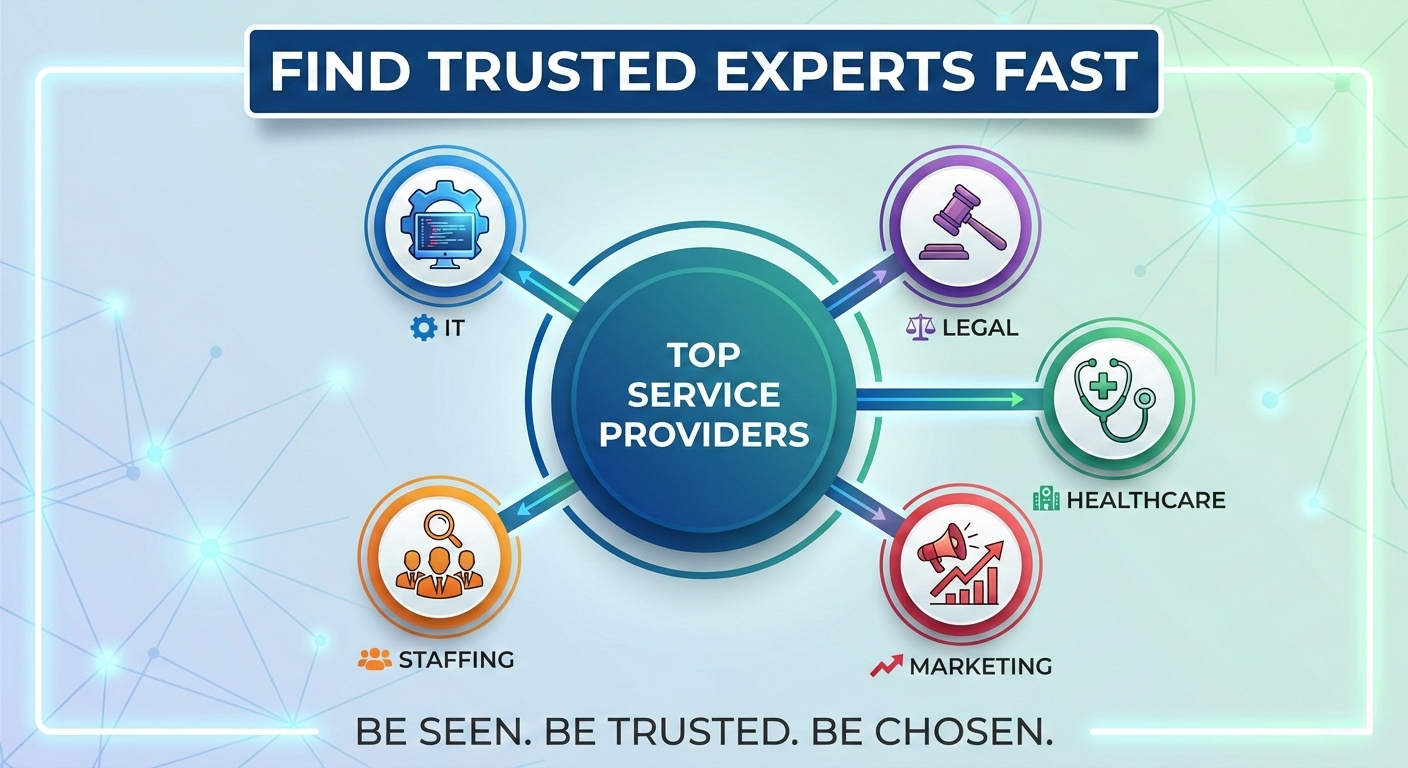
Top Service Providers lists professionals after a review: we confirm the business is active, that the practitioner holds the license their profession requires, and that public reviews and disciplinary records do not raise concerns. A listing gives you a profile page with your description, location and a link to your own website, structured data that search engines and AI assistants can read, and a place on category and city pages such as vetted lawyers and accountants and CPAs. It supports your Google profile and website rather than replacing them, and it does not guarantee clients. Read more in why a vetted directory listing builds client trust, or add your listing directly.
What should a small practice do first?
- This week: claim and complete your Google Business Profile, and make sure your name, address and phone number match your website exactly.
- This week: write down your three most common client questions and check that your website answers them in plain language.
- This month: set up a simple, polite way to ask finished clients for a review.
- This month: list the credible directories and associations in your field and add your listing where you qualify.
- Next quarter: decide whether paid marketing makes sense, using real numbers on what a new client is worth.
Common questions about getting noticed online
Can a small practice get clients without paying for ads?
Yes. Many practices grow mainly through a complete Google Business Profile, steady reviews, a helpful website and referrals. Paid ads can add speed, but they are not required to be found.
How long does it take to get noticed online?
It varies by market and profession. Profile and directory changes can show up within weeks, while reviews, referrals and website content usually build over months. Be wary of anyone who promises a specific ranking or a fixed timeline.
Do online reviews matter for lawyers and doctors?
Many clients read them before they call, so they matter. Follow your licensing body’s rules on testimonials and review requests, never offer prohibited incentives and never disclose private client or patient information in a reply.
Is a directory listing worth it for a small practice?
A vetted listing is a low-effort addition that gives clients another place to verify you and gives search engines clear details about your practice. It does not guarantee clients, so treat it as one part of a wider approach. You can add your listing to start.